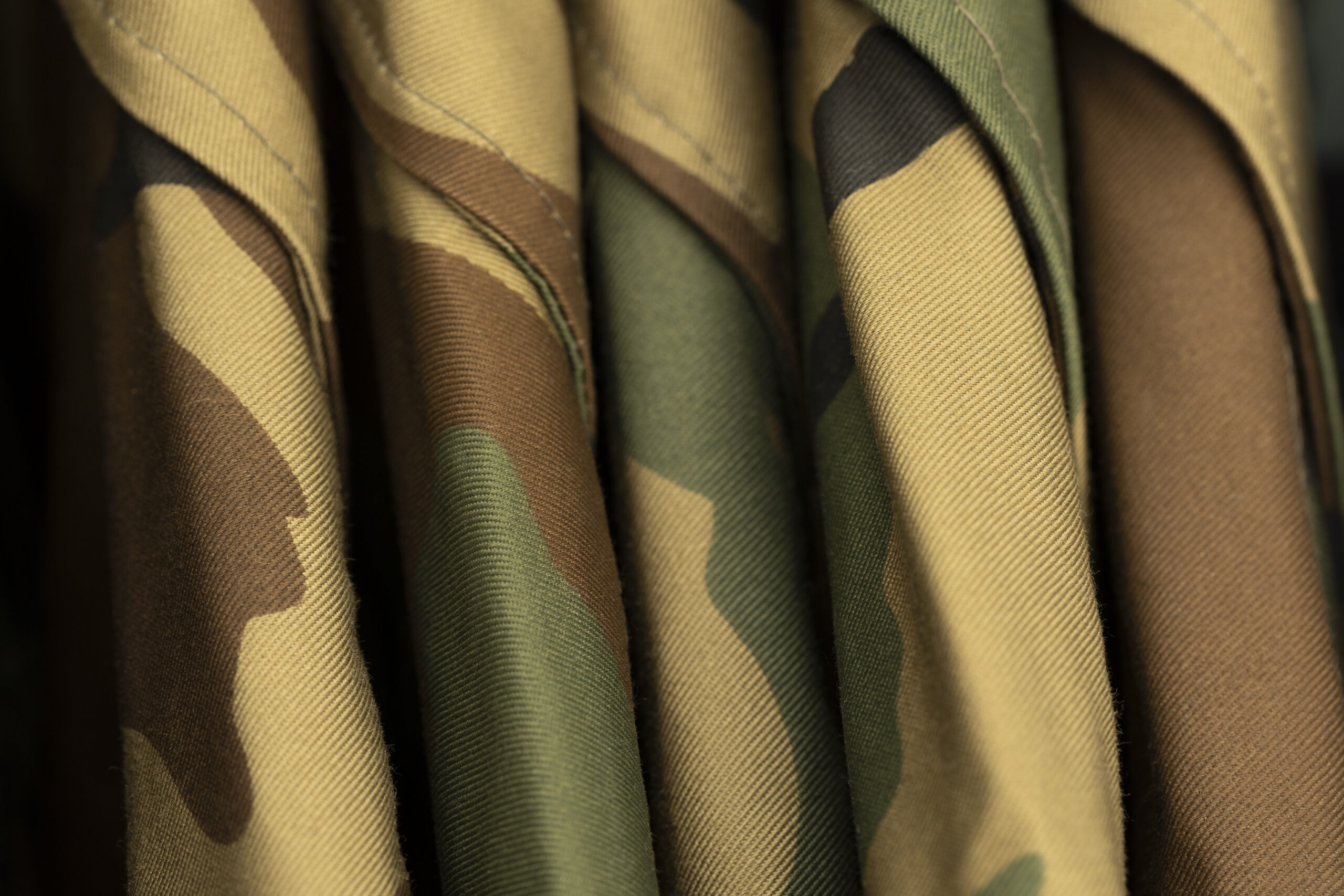
The roots of British Army camouflage officially date back to 1916, when the camouflage design was first used by our soldiers in trench warfare on the Western Front. Over the decades, pattern and palette evolved, from the disruptive “brushstroke” designs of World War I to the iconic Disruptive Pattern Material (DPM) in the 1960s, and ultimately to today’s Multi‑Terrain Pattern (MTP).
So, what camo does the British Army use now? Since the early 2000s, MTP has provided versatile concealment across woodland, desert and urban environments, completing a century‑long journey from the first experimental smocks to a truly all‑purpose combat uniform. This article will take a look at the history of British camouflage, helping tactical and military enthusiasts understand the roots of the popular uniform design!
Why Has Camouflage Needed to Evolve?
Camouflage is the use of colours, shapes and patterns to blend into one’s surroundings. Its evolution has been driven by changing battlefields, new detection technologies like aerial reconnaissance, and the need for better concealment in diverse terrains. Far more than just an artistic element, each pattern undergoes rigorous research, including field trials, digital modelling, material testing, and feedback from soldiers, to ensure it disrupts outline and, ultimately, saves lives.
The camouflage design has been adapted over the years for use on many different items and vehicles, such as:
- Combat uniforms, such as jackets, trousers, and smocks.
- Helmets and helmet covers.
- Load‑carrying equipment, such as MOLLE webbing, vests, and backpacks.
- Weapon accessories, such as rifle stocks and sniper wraps.
- Vehicle and netting covers, such as jeeps, artillery, and hide‑nets.
- Shelters and tarpaulins.
- Civilian and airsoft gear, such as hunting wear, rucksacks, and caps.
Historical Timeline of British Army Camouflage
Let’s take ourselves back to WWI, where camouflage was first “officially” adopted by British troops…
1916: Camouflage Smock
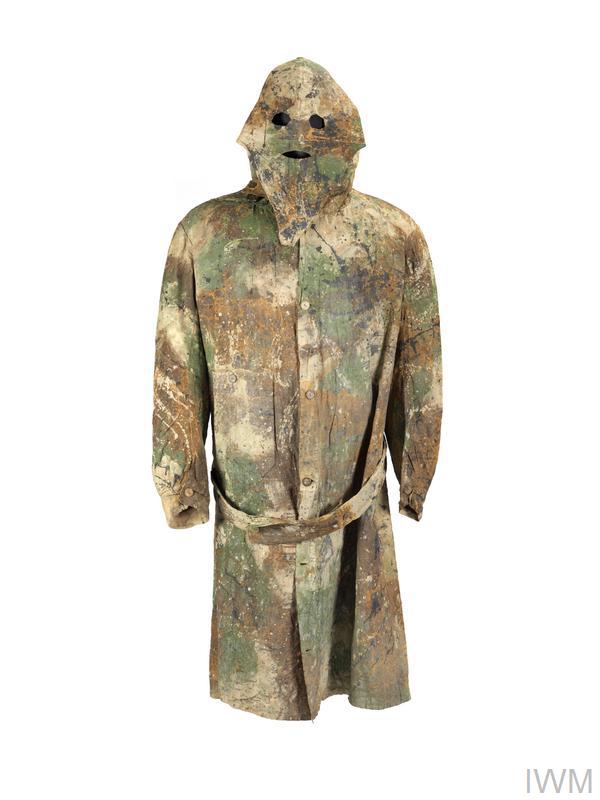
The British Army’s first official camouflage uniform, the “smock,” featured a disruptive brushstroke pattern in varying shades of brown and green, designed for snipers and reconnaissance troops in the trenches. However, the French Army were actually the first to create a dedicated camouflage unit in 1915, with the word camouflage deriving from the French verb meaning “to make up for the stage”.
1917: Khaki Drill
Introduced for service in the Middle East, this uniform used a khaki‑coloured base overlaid with small, irregular shapes to break up the wearer’s outline in desert terrain. The Symien sniper suit was also introduced to the British Army, following on from traditional Ghillie designs used by Scottish gamekeepers in the late 19th century.
1920s to 1930s: Frogskin & Dazzle
Experiments continued with the “frogskin” (disruptive browns and greens) and the “dazzle” pattern (bold, geometric black and white shapes) to counter new observation techniques. Interestingly, the dazzle design was less concerned with hiding the person or vehicle, and instead focused on confusing enemies tracking their movement – hence the name “dazzle”.
1939 to 1945: Brushstroke & Denison Smock
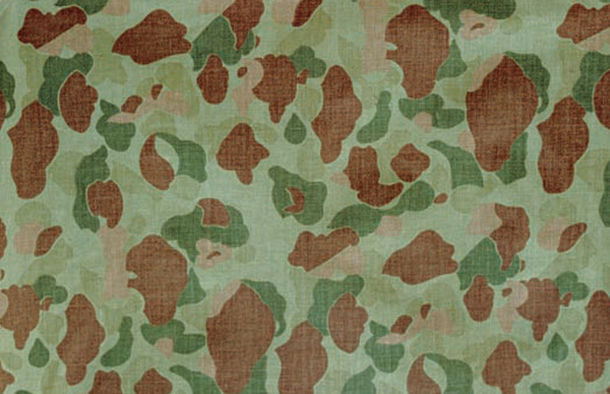
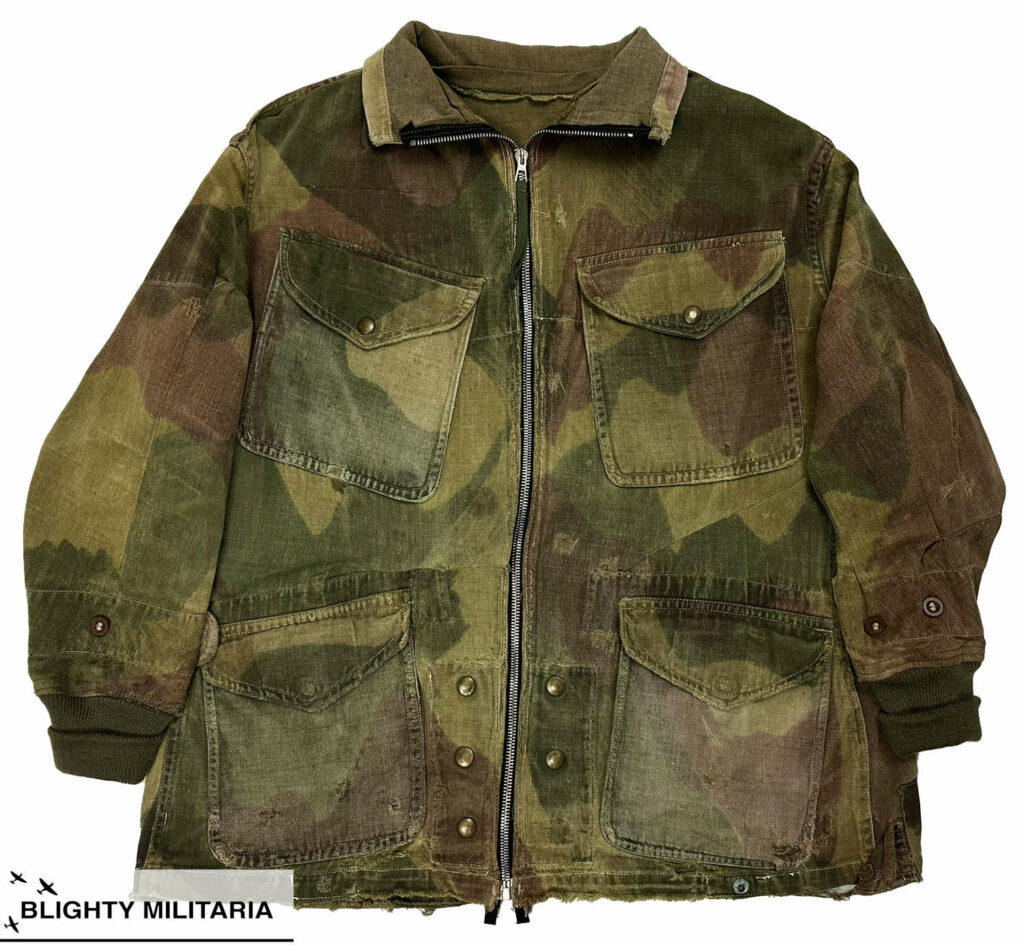
As WWII began, the “brushstroke” pattern – large, irregular blotches of green and brown – was widely used by the British military. The Denison Smock was also introduced for paratroopers and commandos, which combined similar greens and browns in a disruptive outline.
1944: Windproof Camouflage Jackets
As WWII neared its ending, the British Army introduced a windproof camouflage jacket with a reversible design that offered both green‑on‑brown and brown‑on‑green faces. This allowed military personnel to remain concealed in different vegetation.
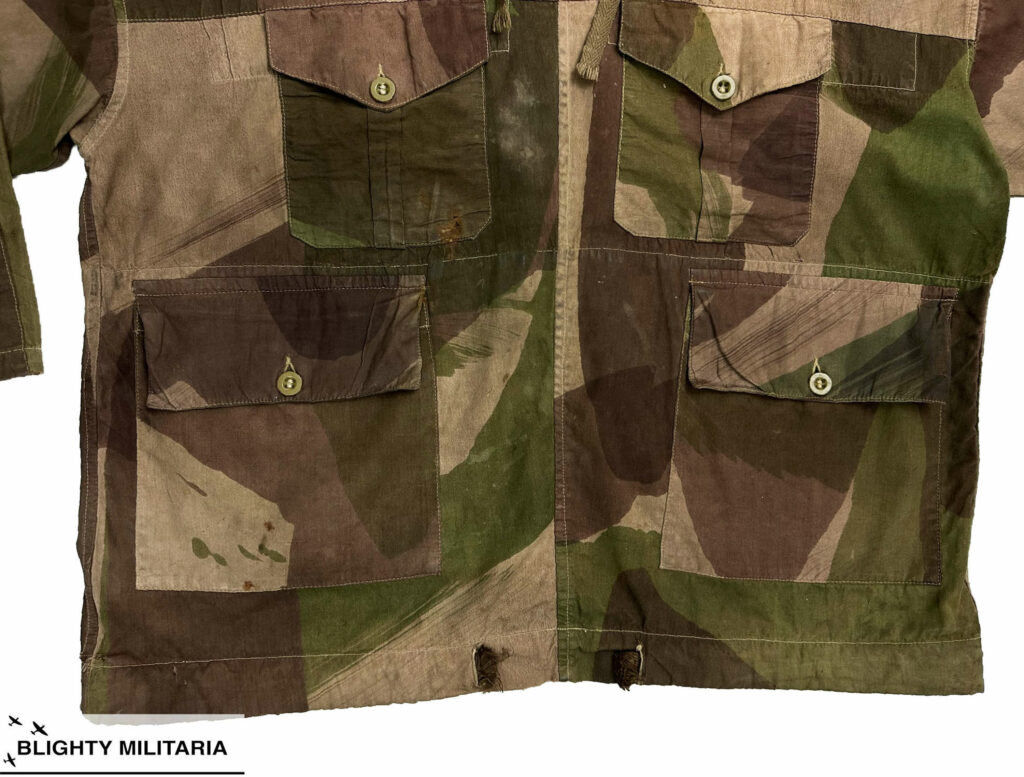
1960s to 1970s: Northern Ireland Pattern & DPM
As the 60s began, the British Army began trialling new camouflage designs, notably the “Northern Ireland” pattern, distinguished by its disruptive mix of green and brown tones. This paved the way for the more refined Disruptive Pattern Material (DPM), characterised by coloured splodges of green, brown, black and sometimes beige.
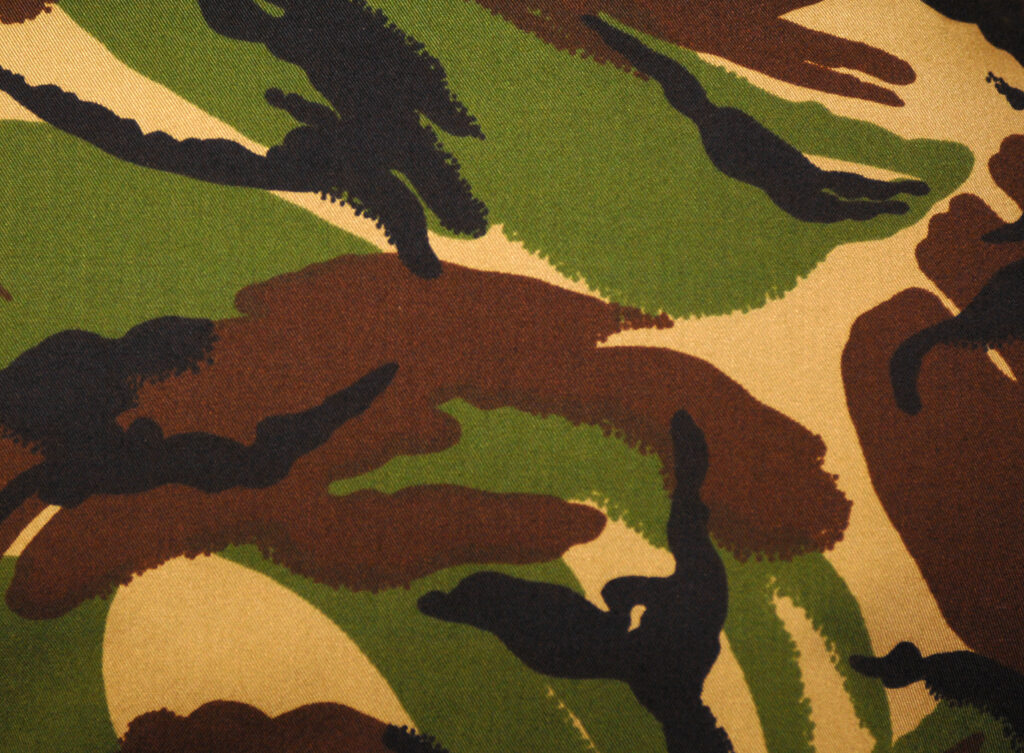
1980s to 1990s: DPM Refinements
Various DPM colour‑way adjustments were introduced – tweaking shade densities and edge shapes – to optimise performance across different applications and terrains. The DPM’s design was first properly tested during the Falklands War in 1982, proving effective across rugged hills and sparse vegetation.
What Camo Does the British Army Use Today?
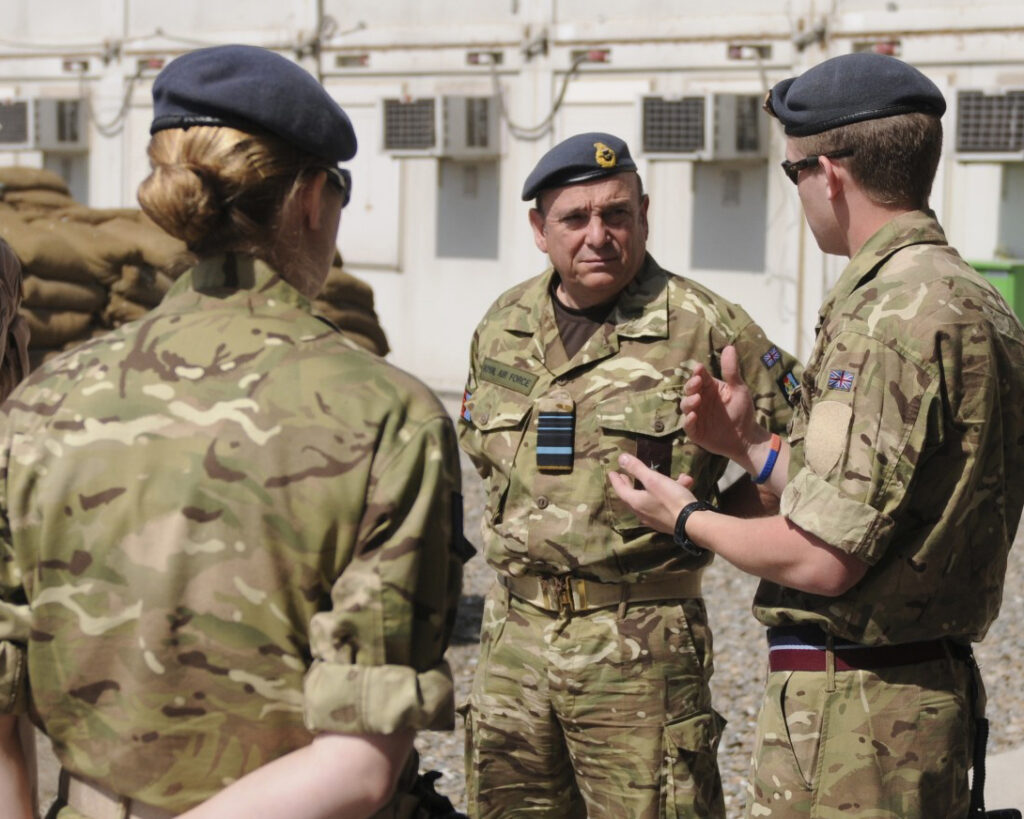
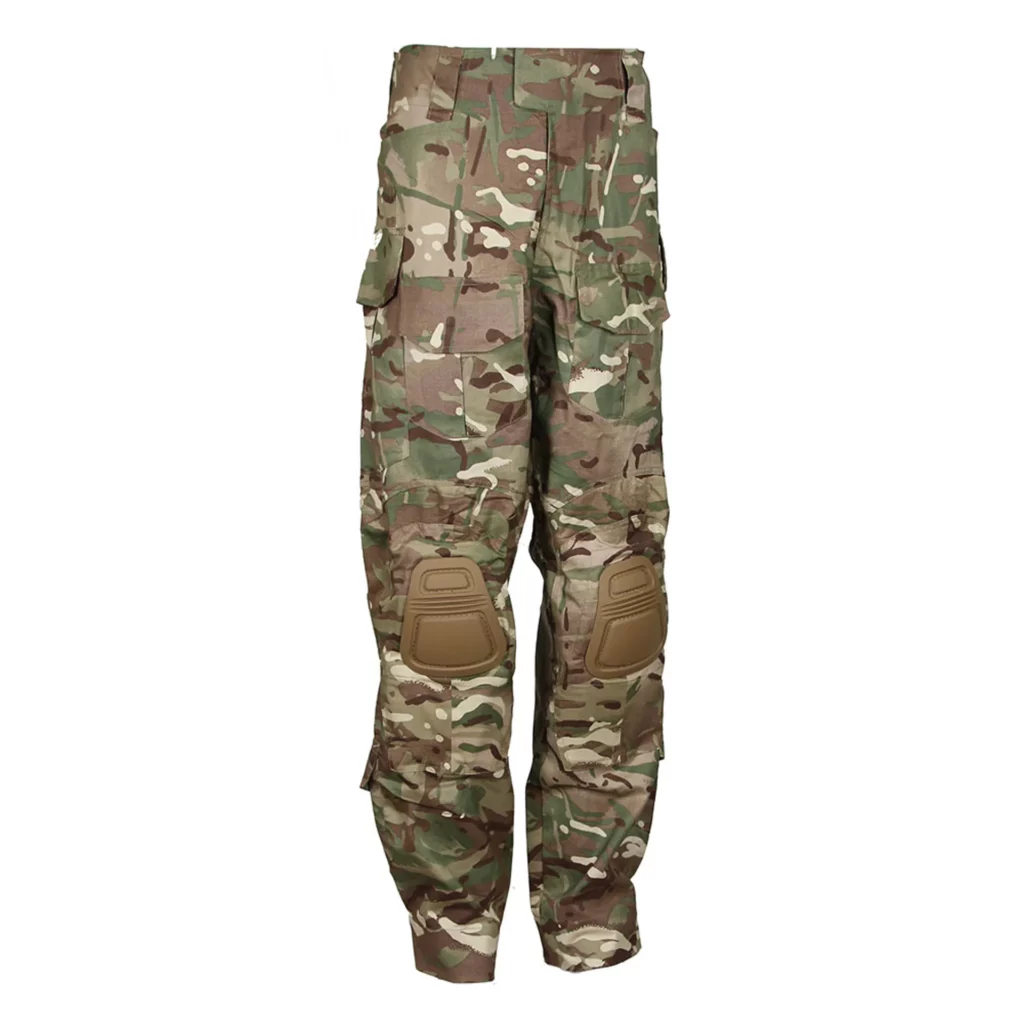
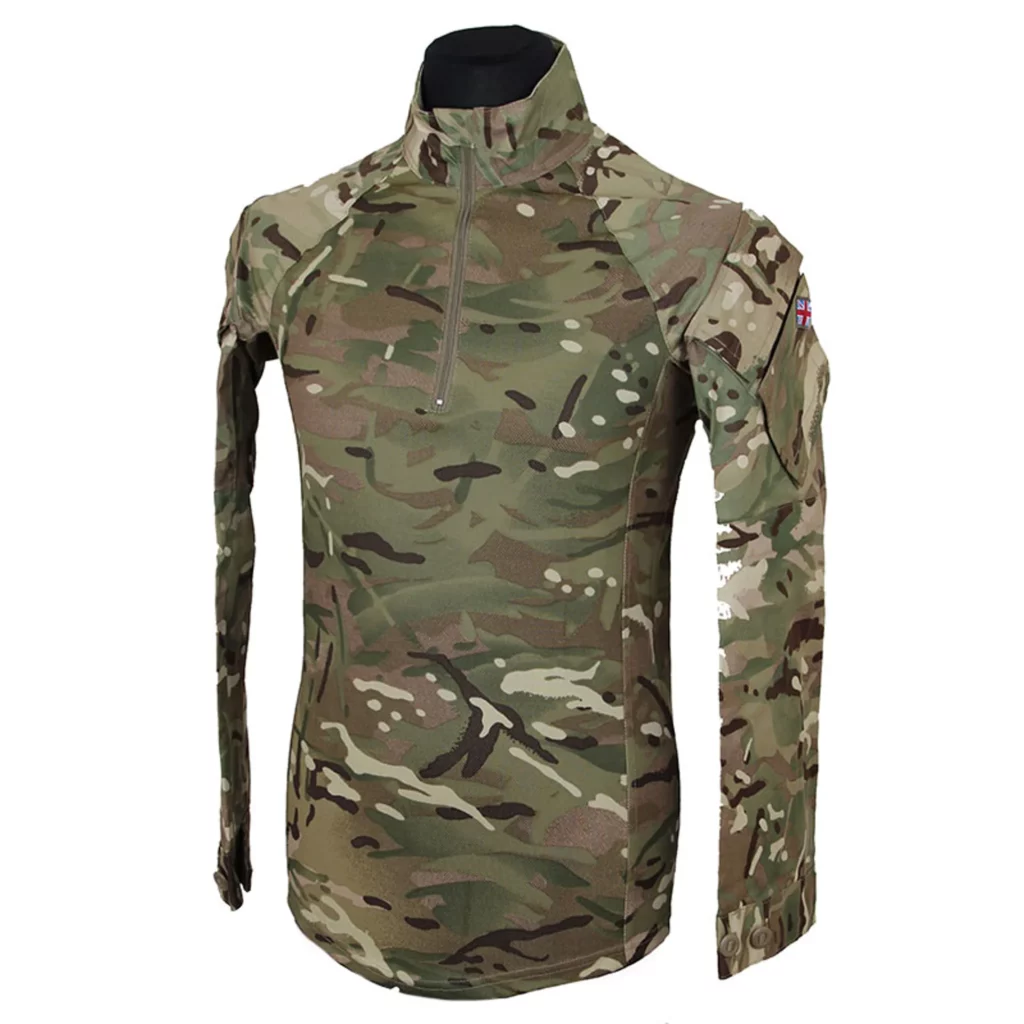
Multi-Terrain Pattern (MTP) is the British Army’s current standard issue of camouflage, introduced in the early 2000s to replace DPM. Designed to offer effective concealment across a wide range of environments, MTP combines elements of the US MultiCam pattern with the colour palette of British DPM, featuring blended shades of brown, green, and beige in a multi-layered, irregular design. Its goal is to reduce the need for multiple uniform types by functioning effectively in woodland, urban, and desert settings.
MTP has also proven highly effective in dry, barren environments, such as Afghanistan and Iraq, where its lighter shades help break up the human silhouette against dust and sand, eliminating the need for a separate desert-specific patterned uniform.
What Are the Benefits of Multi-Terrain Pattern Over Previous Patterns?
- Versatility: MTP is suitable for multiple landscapes, reducing logistical burdens and the need for environment-specific kit.
- Improved Blending: Its colour gradients and shapes work more effectively at varying distances, helping troops blend into both close-quarters and long-range views.
- Modernised Design: Incorporates research on visual perception, digital modelling, and field data from troops deployed in real combat environments.
- Cost-Efficiency: One uniform pattern simplifies production and supply, cutting down on the need for multiple different uniforms per environment.
What Are the Disadvantages of Multi-Terrain Pattern?
- Not Fully Universal: Despite being designed as a versatile, all-environment pattern, MTP cannot replace specialised camo (e.g. arctic) in extreme highly contrasting terrain.
- Widespread Recognition: Due to its popularity, MTP is easily recognisable, which can potentially compromise concealment where enemy forces may identify it quickly.
- Fading Over Time: Prolonged exposure to sunlight and general wear can cause MTP fabric to fade, reducing its effectiveness and making it easier to spot in natural settings.
How MTP Is Used in Different Terrains
MTP was developed specifically to bridge the gap between environments; its layered colour system ensures that no single shade dominates, making it flexible across all landscapes and seasons. Here’s how MTP excels for each location:
- In woodland areas, MTP’s darker greens and shadowy tones help soldiers disappear among trees and undergrowth, with the pattern mimicking natural shadows.
- In desert and barren landscapes, the beige and tan elements take visual priority, softening the silhouette against rocky or sandy backdrops.
- In urban or mixed environments, the pattern disrupts outlines without being overly bold, balancing concealment with adaptability amongst buildings and debris.
How Does British Camo Compare to the Rest of the World?
MTP vs U.S. MultiCam
MTP and US MultiCam share a common goal of one‑pattern versatility, but they differ in palette and edge definition. While MultiCam uses smoother gradients and a warmer, sand‑leaning spectrum to maximise concealment in dry and mixed environments, MTP retains sharper DPM‑inspired shapes and a slightly cooler green tone, giving British troops better woodland blending without sacrificing desert performance.
MTP vs Rest of the World
Against other NATO patterns, MTP strikes a middle ground. Unlike Germany’s Flecktarn or Canada’s CADPAT, which use high‑frequency dot matrices for close‑range disruption, MTP’s broader blotches perform reliably at both short and long distances. Compared with France’s CCE or the Netherlands’ DPM variants, MTP offers fewer colour transitions but greater adaptability across seasons.
Where Can You Buy Products Featuring Camo Patterns?
If you’re looking for products featuring the MTP, MultiCam, or tactical designs, look no further than Drop Zone Supplies. We stock a huge assortment of clothing, rucksacks, ammo pouches, and other military-style items – perfect for airsoft and tactical enthusiasts!
MTP Tropical Hat
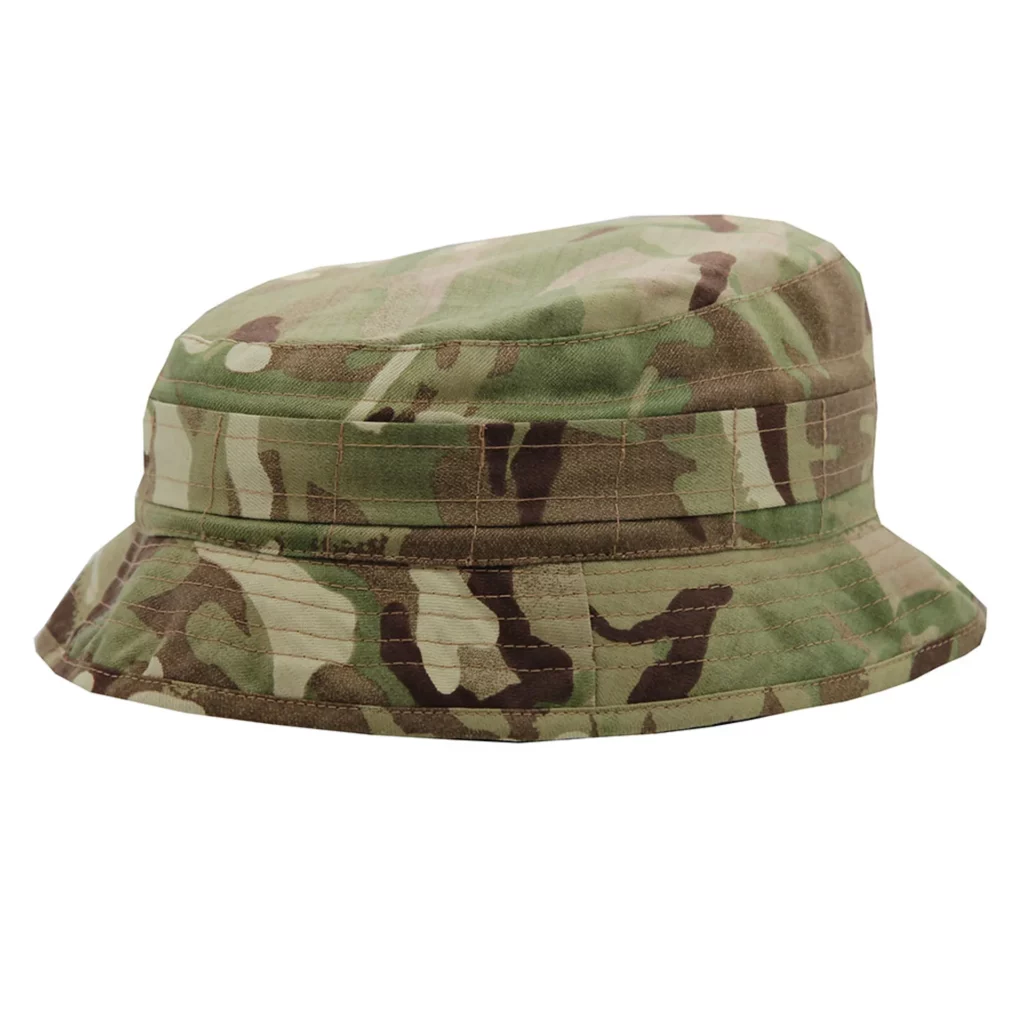
MTP UBACS Shirt
MTP Combat Trousers