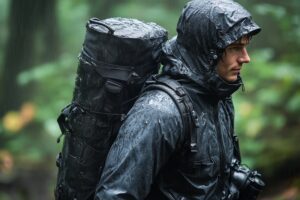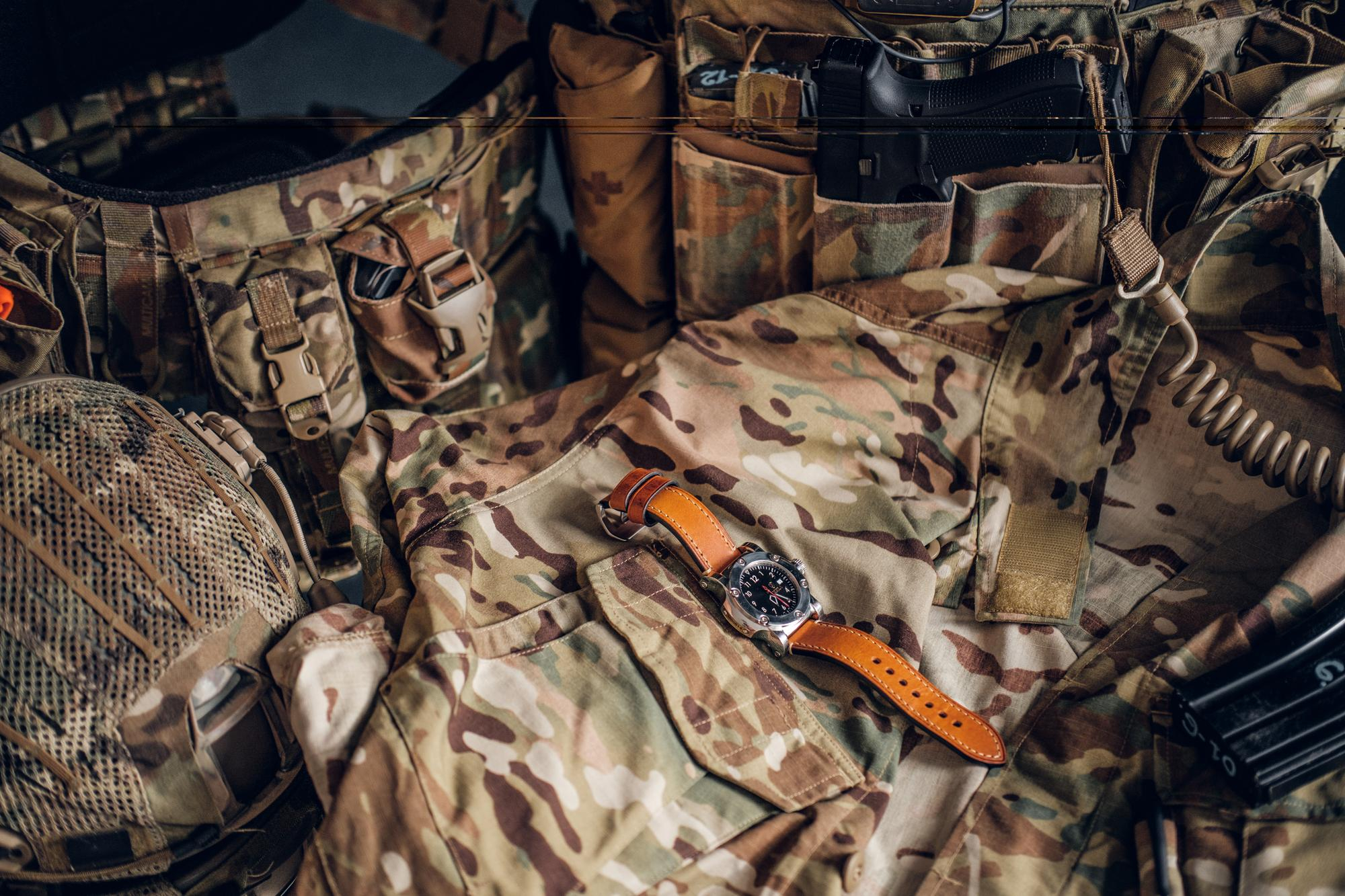
Tactical gear is clothing and equipment engineered around one simple idea: form follows function. Built for performance and protection rather than fashion, these items prioritise mobility, weather resistance, impact protection, and quick access to tools. Among the many pieces that make up a kit, gloves and jackets stand out because they protect the two most exposed and operationally important zones – the hands and the torso – while directly affecting dexterity, situational awareness, and comfort in challenging environments.
With so many variants available, it’s important to know what tactical gear you need and where to find it.
This article will break down everything tactical enthusiasts need to choose, use, and care for gloves and jackets, as well as provide top tips for purchasing tactical gear.
Contents
- What Is Tactical Gear?
- Understanding Tactical Gloves – What to Look For
- Understanding Tactical Jackets & Outerwear – What to Consider
- Beyond Gloves & Jackets – The Complementary Kit You Should Have
- Top Tips for Purchasing Tactical Gear
- FAQs
What Is Tactical Gear?
Tactical gear refers to specialised clothing, equipment, and accessories engineered to improve performance, safety, and efficiency in demanding conditions. Items such as jackets, gloves, backpacks, or multi-tools are judged primarily on how well they help you work, move, and stay safe under stress.
In the late 20th century, the theme grew from military and law enforcement requirements for purpose-built kit – where reliability and survivability are non-negotiable – into wider civilian use. Hikers, search-and-rescue teams, first responders, and tactical enthusiasts now choose the same rugged, mission-focused pieces for outdoor adventures and Everyday Carry (EDC) needs.
Common Examples of Tactical Gear
As mentioned earlier, tactical gear encompasses a broad range of clothing and items. For many enthusiasts, their kit may contain the following:
- Protective Gear: Armour, helmets, and impact pads that prioritise protection during high-risk tasks and expeditions.
- Functional Clothing: Purpose-built clothing (e.g. trousers, gloves, jackets) with reinforced panels, articulated cuts, and performance fabrics to maximise mobility and durability.
- Load-Carrying Systems: Backpacks, belts, and plate carriers that organise kit efficiently, often using MOLLE webbing.
- Survival & EDC Tools: Knives, multi-tools, lighting, first-aid, and other utility tools designed for quick access and multi-function use.
Understanding Tactical Gloves – What to Look For
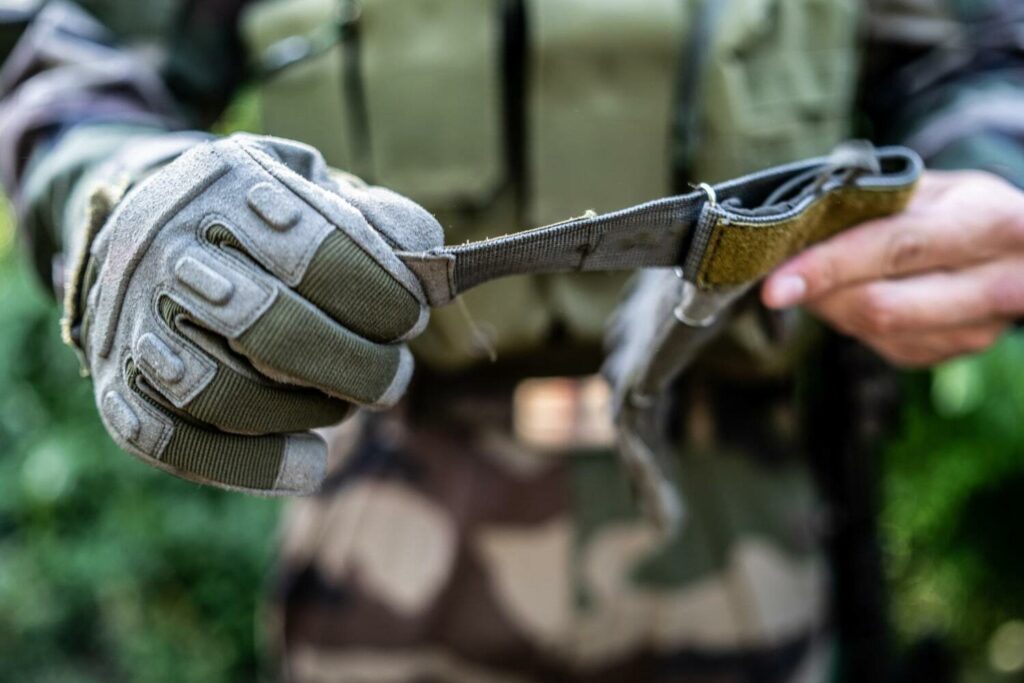
Tactical gloves come in many styles tailored to different tasks, such as duty gloves for everyday law enforcement, insulated gloves for cold weather operations, and dexterity gloves that prioritise fingertip sensitivity and trigger control. There are also hybrids, such as impact-rated gloves with reinforced knuckles for heavy-contact work, and cut-resistant options for industrial or rescue use.
Key features to look out for include:
- Palm Reinforcement: Synthetic or goat skin leather palms increase durability and comfort where wear is highest, as seen in the Mechanix Original Leather Gloves.
- Knuckle Protection: TPR or hard-shell knuckles shield against impacts and abrasions, as featured in the Mechanix M-PACT 3 Coyote.
- Grip Patterns: Textured silicone or rubberised patterns on fingers and palms improve control in wet or oily conditions, a key feature of the Mechanix Speciality Grip Gloves.
- Fit & Cuff: Snug wrist closures, such as hook & loop, keep dirt out and ensure a secure fit. Explore our Mechanix gloves size guide to buy the best fit.
- Touchscreen Compatibility: Conductive fingertip material lets you operate phones and devices without removing the gloves, as seen in our PIG FDT Delta Contact Gloves.
- Breathability & Stretch: Mesh or stretch panels preserve dexterity and reduce hand fatigue, a valuable feature in the Sealskinz Waterproof All Weather Gloves.
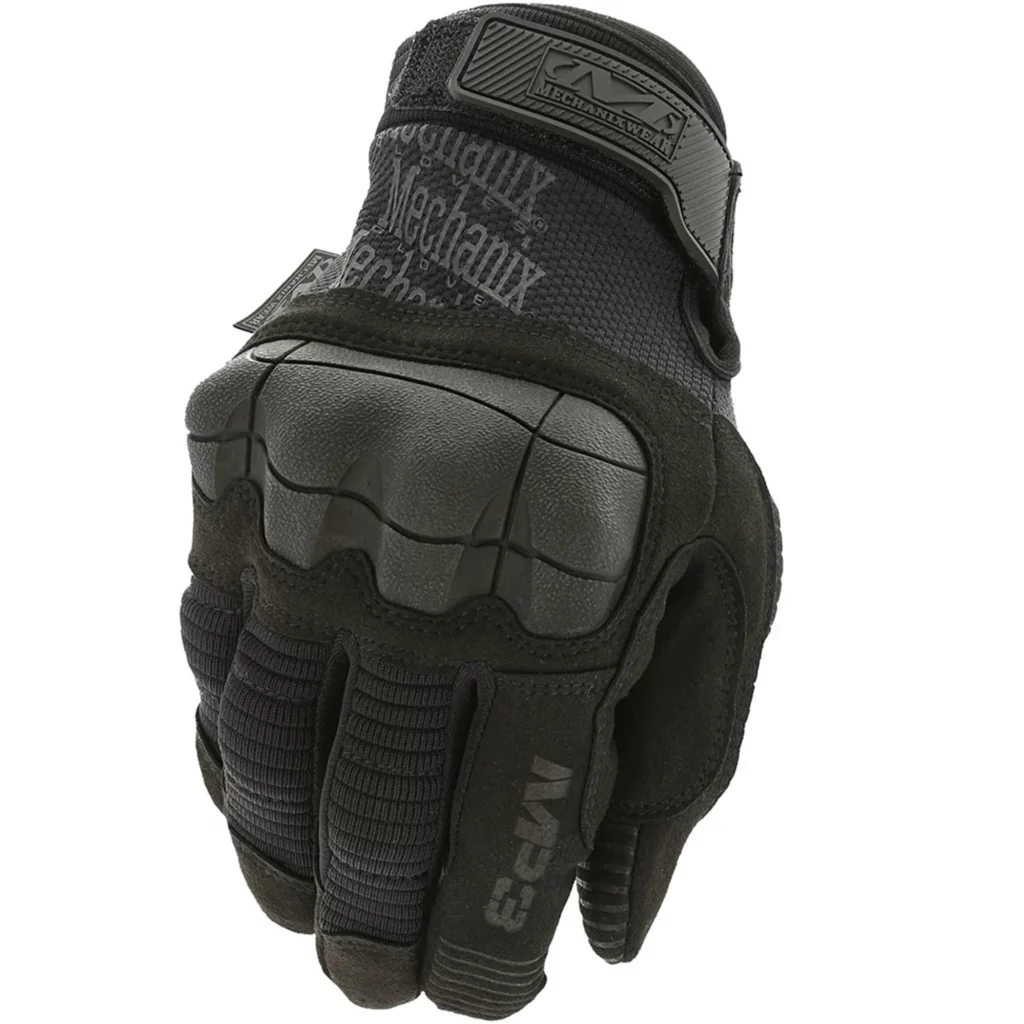
Product Spotlight: Mechanix M-PACT 3 Covert Tactical (Black)
The M-PACT 3 Covert is a full-coverage, impact-resistant tactical glove designed for heavy use. It features a single-piece Thermoplastic Rubber (TPR) knuckle guard, EVA padding on fingers and thumb, and internal fingertip reinforcement to boost abrasion resistance. The palm is constructed from durable synthetic leather with embossed grip texture and is touchscreen-capable. A low-profile TPR wrist closure ensures a secure fit without bulk.
We also stock other Mechanix M-PACT gloves, such as:
- Mechanix M-PACT 3 Coyote Tan
- Mechanix M-PACT Covert Tactical Black
- Mechanix M-PACT Multicam
- Mechanix M-PACT Coyote Tan
How to Care for Tactical Gloves
Unlike typical everyday or winter gloves, tactical gloves require a little more care. Here’s how to ensure your gloves are ready for any mission:
- Hand-wash or machine wash on a gentle cycle; avoid high heat.
- Air-dry flat away from direct sun or heaters to prevent material shrinkage.
- Reapply waterproofing or leather conditioner on leather/synthetic palms as needed.
- Inspect seams, closures, and reinforcements regularly; repair or replace if integrity is compromised.
- Store dry and ventilated to prevent mould or odours.
Understanding Tactical Jackets & Outerwear – What to Consider
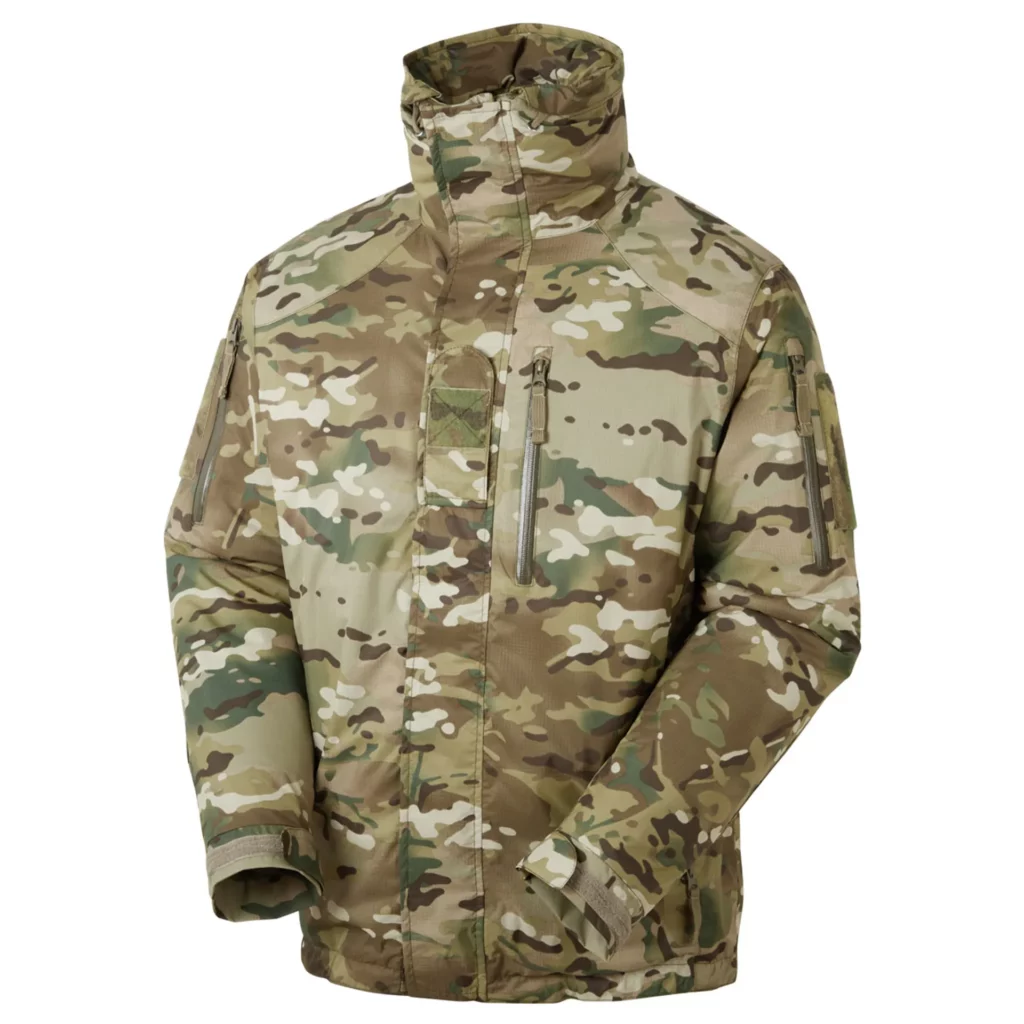
Tactical jackets and outerwear are purpose-built garments designed to protect the wearer and enable sustained activity in demanding conditions. They use durable, weather-resistant fabrics, reinforced panels and mission-driven features (pockets, vents, adjustable hoods, and cuffs) to balance protection, mobility, and load-carrying; many are also built to integrate with armour or plate carriers.
Layering is important for many tactical enthusiasts. Think of this as “dressing for the job”: a base layer sits next to your skin to soak sweat, a mid layer (fleece, synthetic, or down) provides insulation, and an outer shell shields you from wind and rain. It’s important to choose the right layering for the mission ahead; otherwise, you may end up overheating or suffering from the extreme cold.
There are several key features to consider, such as:
- Waterproofing & DWR: Fully sealed seams or a waterproof membrane, plus a durable water-repellent proofing to keep rain out.
- Breathability: Vents, breathable membranes or vents (such as mesh pockets) so sweat can escape when you’re active.
- Articulation & Fit: Articulated sleeves, gussets, and a cut that allows a full range of motion, especially when reaching, climbing, or wearing backpacks.
- Reinforcements: Tougher fabric or CORDURA panels at shoulders, elbows, and high-wear areas where straps and repeated contact occur.
- Hood Design: An adjustable, low-profile hood that stows or fits over helmets/ballistic plates while preserving peripheral vision.
- Pocket Layout & Access: Logically placed, dual-entry pockets and internal organisation that are usable with chest rigs or while seated.
Common Types of Tactical Jackets
Some of the most common types of tactical jackets include:
- Softshell: Stretchy, breathable, and comfortable for active use; sheds light moisture but isn’t fully waterproof.
- Hardshell / Rain Shell: Fully weatherproof (taped seams, waterproof membrane) for sustained wet conditions; usually less stretchy.
- Insulated (Down / Synthetic): Added loft or synthetic fill for warmth; used as mid or standalone layers depending on activity and temperature.
- Covert / Armour-Compatible Shells: Low-profile jackets or smocks designed to sit comfortably with plate carriers or soft-armour panels.
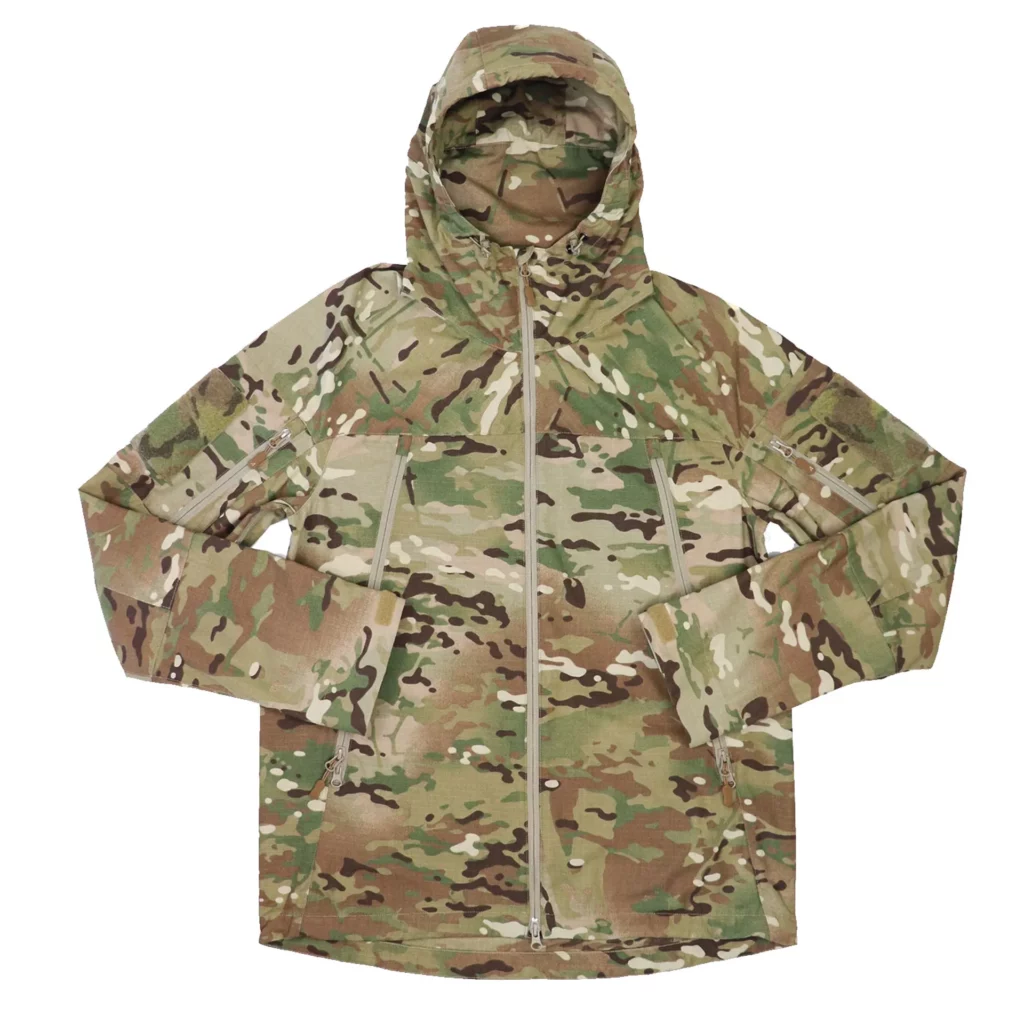
Product Spotlight: Arktis Contact Field Jacket A500
The Arktis Contact Field Jacket A500 is a lightweight, mechanically-stretch NYCO ripstop outer that functions as an outer shell, mid-layer, or windbreaker. It’s built for layer integration and operator use, and features large dual-entry front pockets, an internal device slip in the left pocket, sleeve ID/utility pockets, gusseted pit zips, and a highly adjustable peaked hood. The jacket uses a 185gsm mechanical stretch ripstop with CORDURA reinforcement and DWR finish, and multiple hem and cuff adjustments for a tailored fit.
How to Care for Tactical Jackets
To ensure your tactical jackets are fit for purpose, here are some general cleaning and maintenance tips:
- Use a tech wash or mild detergent and gentle or hand-wash per label; avoid fabric softeners.
- Clean first, then use a wash-in or spray-on DWR product to restore beading.
- For small rips, use specialist repair tapes or a sewn patch with liquid seam sealer for structural repairs
- Consider professional repair for larger or stress-area damage
- Check and lubricate zippers; repair or replace failing cords early to avoid more damage
- Dry fully before storing; hang if possible to keep shape and avoid compressed insulation
Beyond Gloves & Jackets – The Complementary Kit You Should Have
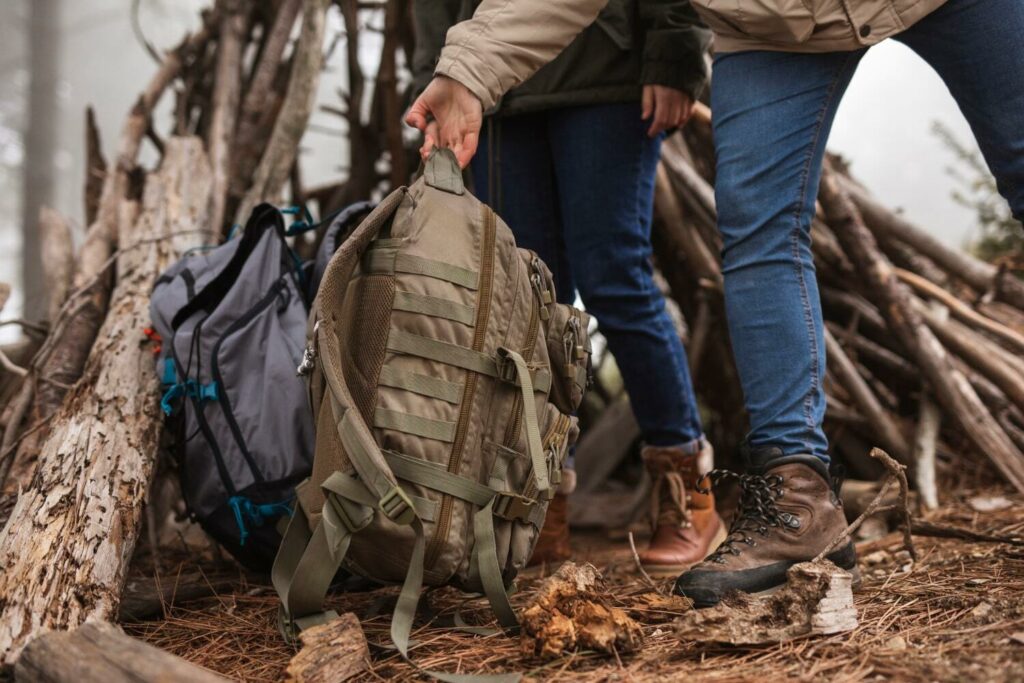
Tactical gear encompasses more than just jackets and gloves – for a complete approach, here’s what else you should consider ahead of your next expedition:
- Footwear: Rugged boots with ankle support, good traction, and puncture resistance. Ideal footwear protects your feet, stabilises ankles over uneven ground, and keeps you moving comfortably on long days.
- Headwear: Caps, beanies, or ballistic helmets for warmth, blunt protection, and sweat management. The right headwear also improves visibility and thermal comfort depending on the environment.
- MOLLE-Compatible Rucksacks & Backpacks: A well-configured pack balances weight, lets you access essentials quickly, and adapts to mission needs. MOLLE webbing allows you to attach extra pouches and easily rearrange your gear.
- Small Accessories: Multi-tools, compact first-aid kits, admin pouches, and lighting – tiny items that solve big problems. These small goods multiply capability and can make the difference between a small mistake and a mission failure.
- Belts & Holsters: Duty belts or load-bearing belts that stabilise gear; holsters sized for secure, fast access. Proper belt and holster setup keeps weight off your shoulders, reduces bounce and ensures immediate tool or weapon access.
- Plate Carriers: Scalable load platforms for plates and pouches when you need ballistic protection and modularity. Choose a carrier that fits your plates, distributes load comfortably, and allows quick reconfiguration of pouches.
- Protective Armour: Soft or hard armour panels and inserts chosen to match threat level and mobility needs. Armour selection is a trade-off between protection and mobility – pick the level that matches realistic risks and how you move.
Top Tips for Purchasing Tactical Gear
Now that you know what tactical gear you may need, there are a few things to keep in mind before you jump in and start buying:
- Know Your Mission First: Decide where, when, and how you’ll use the kit (e.g. all-day hikes vs static standby) – this determines everything else.
- Prioritise Fit & Mobility: If possible, try gear on and move; squat, reach, shoulder-load, and simulate the tasks you’ll do to check it doesn’t restrict you.
- Check the Materials. Look for proven fabrics and technologies, such as abrasion-resistant nylons, waterproof membranes, or Kevlar.
- Match Protection to Risk: Don’t over-armour for low-threat activities, and don’t under-protect when exposure or impact is likely – balance protection mobility.
- Test Grip & Dexterity. With gloves on, operate zips, buttons, tools, and any device you’ll use regularly to ensure you keep the required level of control.
- Think Layering, Not One-Piece Solutions: Build a base + mid + shell system so you can adapt warmth and breathability to changing conditions and activity levels.
- Check Compatibility & Modularity: Ensure pockets, zips, and cuts work with your packs, belts, plate carriers, and any pouches.
- Buy From Reputable Retailers: Choose retailers with clear sizing, good return policies, and local support, such as Drop Zone Supplies.
- Confirm Size Charts, Warranty, & Repair Options: Good sizing guides, a sensible return window, and repair/parts availability save time and money down the line.
We’re Your One-Stop Shop for Tactical Gear
At Drop Zone Supplies, we stock quality tactical gear that performs when it matters. Our purpose-built kit, from trusted names such as Mechanix and Keela, helps you shape a load-out fit for any environment – no matter the mission.
Our team are on hand to provide any advice you may need about our products, should you need it. Simply get in touch with us today, or head to our online store to explore our large range of gear!
FAQs
Is tactical gear only for military and law enforcement?
Not at all. Tactical design comes from military and police needs, but civilians use the same principles for hiking, search & rescue, trades, preparedness, and everyday carry. That being said, some tactical-looking kit can attract attention in public – so consider context and local rules when you wear or carry it.
What types of tactical gear should I start with as a beginner?
Begin with the essentials that cover protection, mobility, and load, such as a good pair of gloves, a weather-appropriate jacket, sturdy footwear, a comfortable modular backpack, a reliable belt/holster if you need one, and a small EDC kit (multi-tool, torch, basic first aid). Buy one category at a time based on your most common activities and prioritise fit and quality over “hype”.
What is the point of tactical gloves?
Tactical gloves protect hands from cuts, abrasion, and impacts, improve grip in wet or oily conditions, reduce blisters and cold exposure, and let you operate tools and devices without removing them – all while preserving as much dexterity as possible.
How tight should tactical gloves be?
Tactical gloves should be snug but not constrictive. Fingertips should reach the end of the glove without bunching; you must be able to make a full fist comfortably, and there should be no numbness or circulation loss. A close fit gives the best balance of protection and motor control.
Why does the military use Mechanix gloves?
Mechanix became popular because its designs balance dexterity, durability, and a predictable fit across a wide range of tasks. Models like the Original and M-PACT offer thin, anatomical cuts for trigger control or added TPR/EVA impact protection for heavy contact. They are widely available and have been adopted by many units, contractors, and trainers for that tried-and-tested mix of performance and choice.
What is the difference between tactical gloves and work gloves?
Tactical gloves prioritise dexterity, lightweight protection, grip patterns, and mission features (such as touchscreen tips and knuckle guards). Work gloves often focus more on heavy-duty abrasion, cut and chemical resistance, and thick padding, making them bulkier and less suited to fine tasks.