Nothing ruins a patrol, airsoft session, or outdoor adventure faster than a wet, clammy jacket. Not only is it uncomfortable, it can affect performance, focus, and morale. That’s why choosing and understanding the right materials is the key to staying dry, warm, and comfortable.
At DropZone, we’ve spent over 25 years helping military personnel and outdoor enthusiasts select gear that performs in real-world conditions. Here’s what you need to know about jacket materials, waterproofing, and layering so you can stay dry, warm, and comfortable whatever the weather throws at you.
Understanding DWR and PU Waterproofing
When it comes to staying dry, not all jackets are created equal. You may notice some jackets make water bead on the surface, while others quickly soak through. The secret lies in the waterproofing treatment. Two common options dominate tactical gear:
Durable Water Repellent (DWR)
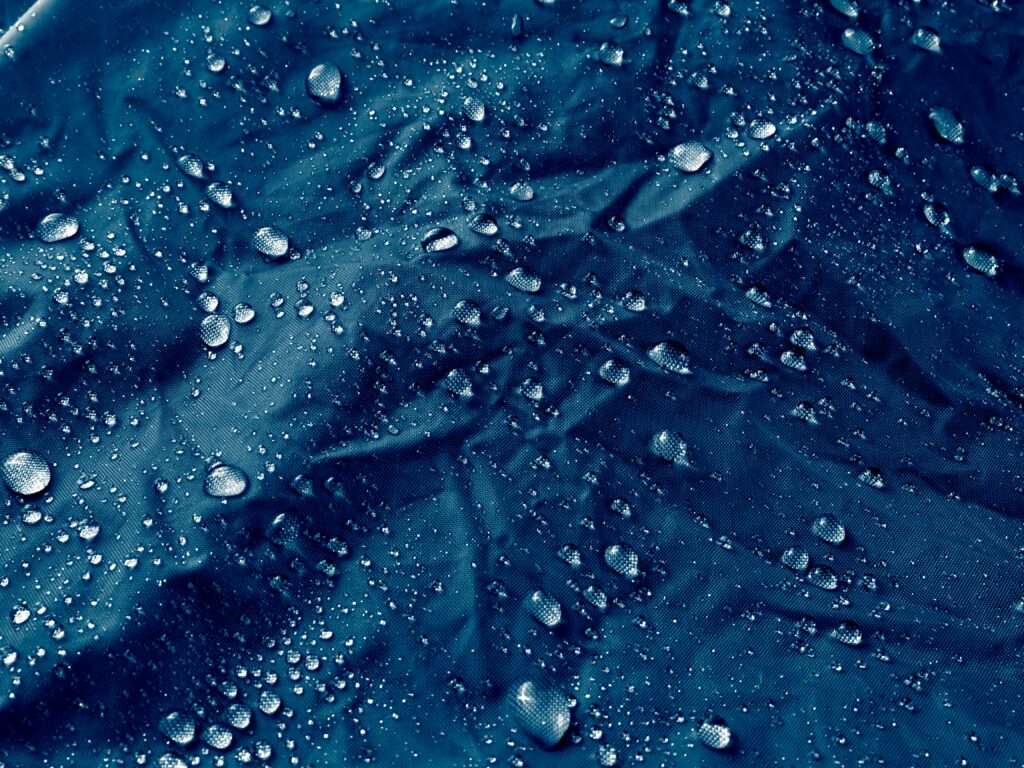
DWR is a chemical treatment, not a coating, that makes fabrics water-resistant. Often paired with PU coatings, it causes water to bead and roll off while keeping gear lightweight and breathable. Common in softshell jackets and airsoft gear, DWR fabrics usually handle around 5,000 mm water column before leaking.
Tip: Shake off water and avoid compressing the fabric. If water starts soaking in, it’s time to reproof.
Polyurethane (PU) Coating
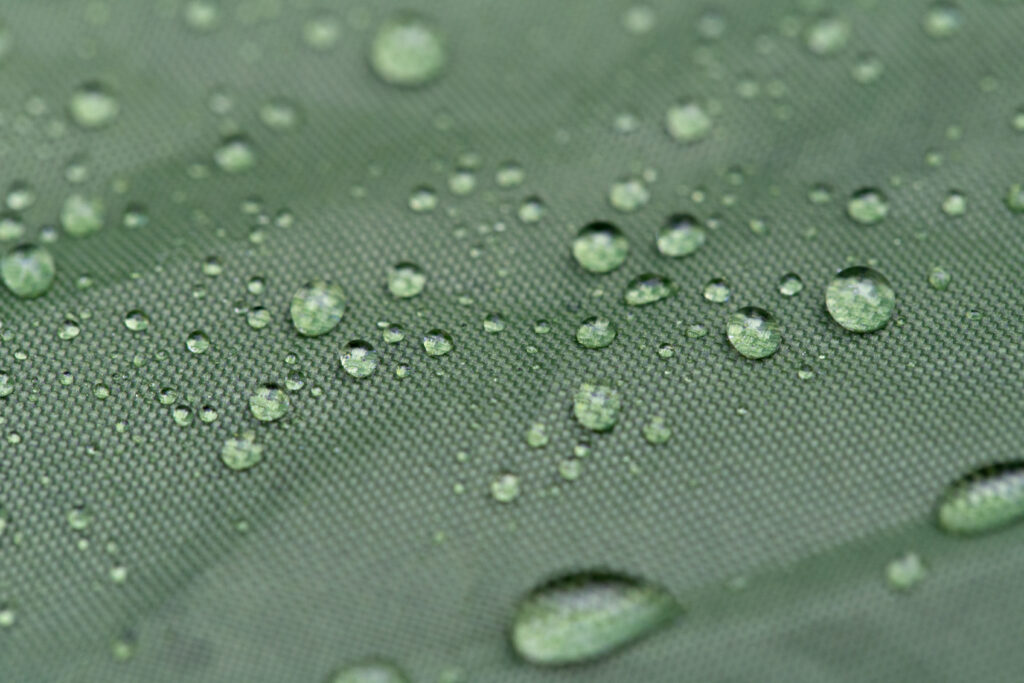
PU is a soft plastic layer applied to woven or knitted fabrics to make them waterproof and more durable, it’s budget-friendly and effective, though slightly heavier and less breathable than DWR finishes, making it better suited for static or low-activity rain protection.
Tip: DWR excels for active movement, while PU is better for static rain duty or budget-conscious choices.
Jacket Materials Explained: What They Are and Why They Matter
A jacket must do more than just keep you warm. It needs to block wind, repel rain and moisture, and keep you comfortable throughout the day. Understanding the difference between softshell, hardshell, and ripstop fabrics helps you choose the right gear for your activity.
Softshell Fabrics
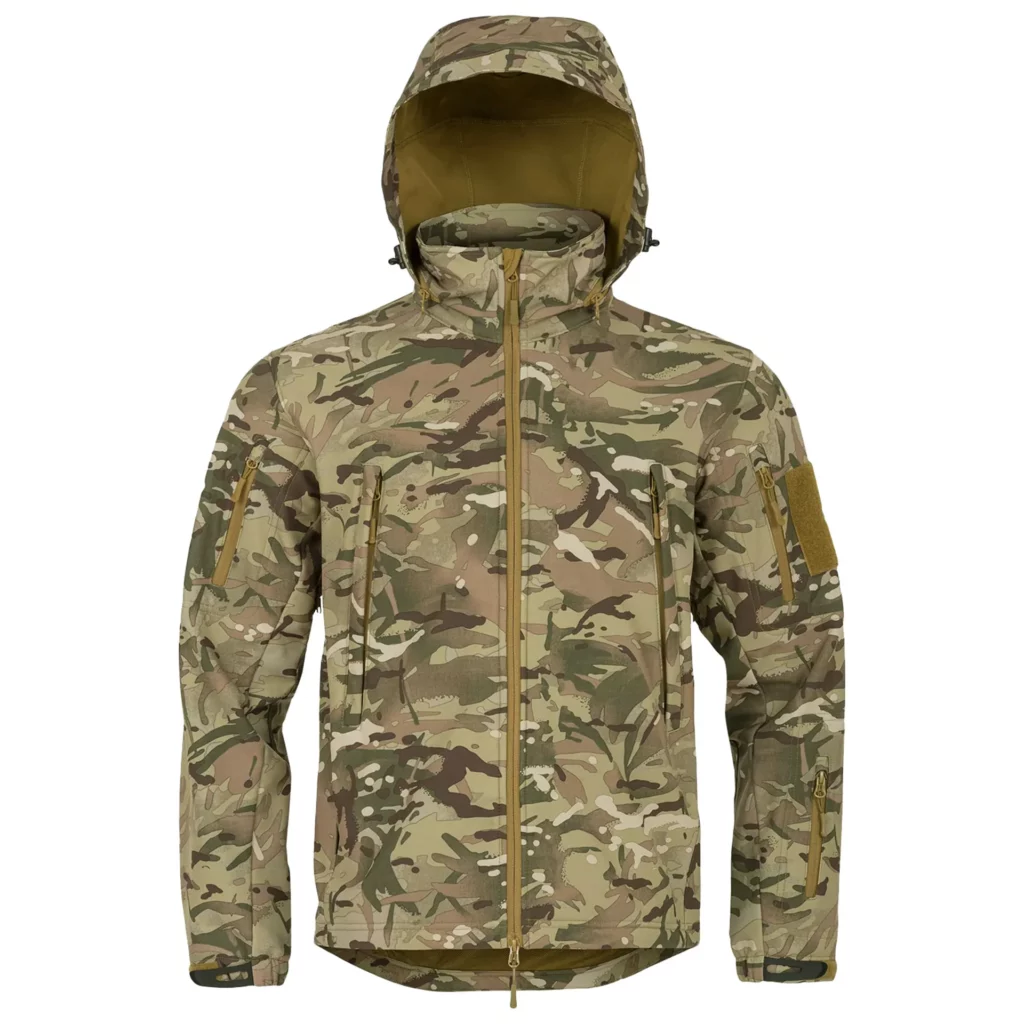
Flexible, lightweight, and water-resistant, softshells excel in active movement or intermittent weather. Softshells from Helikon are breathable and allow for high exertion without trapping sweat, making them ideal for airsoft, patrols, or hiking.
Key Benefits:
- Water-resistant and wind-resistant
- Lightweight and flexible for mobility
- Breathable for high-intensity activity (~5,000–10,000 g/m²/24h), but some lightweight softshells such as microfleece may be closer to 3,000–5,000 g/m²
Weight: 400-700g | Typical Price Range: £60-£120 | Ideal temps: 8-15°C
Hardshell Fabrics
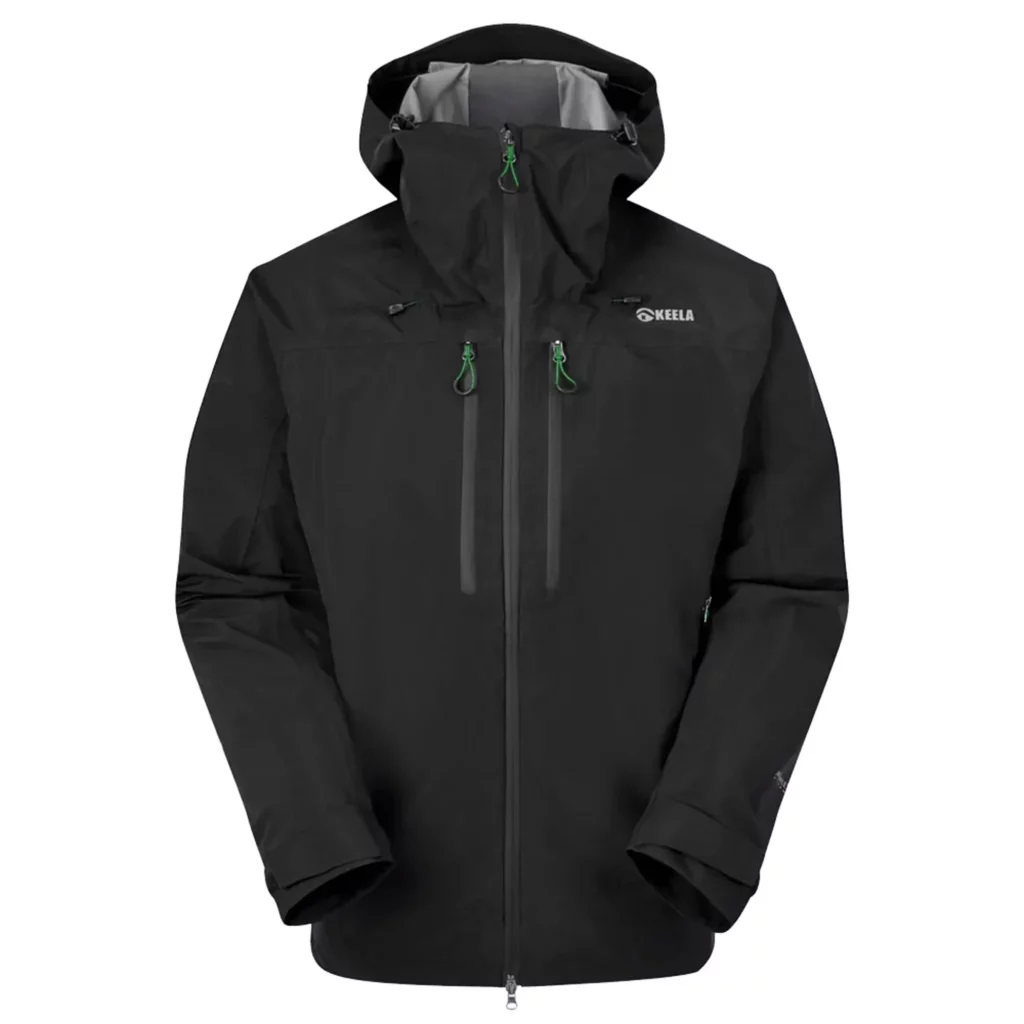
Hardshells are fully waterproof jackets that protect against heavy rain and harsh conditions. Many are constructed with layered membranes, which balance durability, weight, and packability. Here’s a quick breakdown:
- 2 Layer – Waterproof membrane bonded to outer fabric, with a loose inner lining for comfort.
- 2.5 Layer – Membrane laminated to the outer fabric with a thin protective coating instead of a full inner lining, lighter and more packable.
- 3 Layer – All layers (outer fabric, membrane, and inner lining) are fully laminated together for maximum durability, ideal for long-term, high-abrasion use.
Key Benefits:
- Fully waterproof for wet, static conditions
- Layered constructions balance durability, weight, and breathability (~3,000–8,000 g/m²/24h), some high-end Gore-Tex Pro hardshells can be 15,000+ g/m².
- Ideal for heavy rain, stationary patrols, or cold-weather hikes
Weight: 500-1,200g | Typical Price Range: £120-£250 | Ideal temps: 5-15°C
Ripstop Nylon
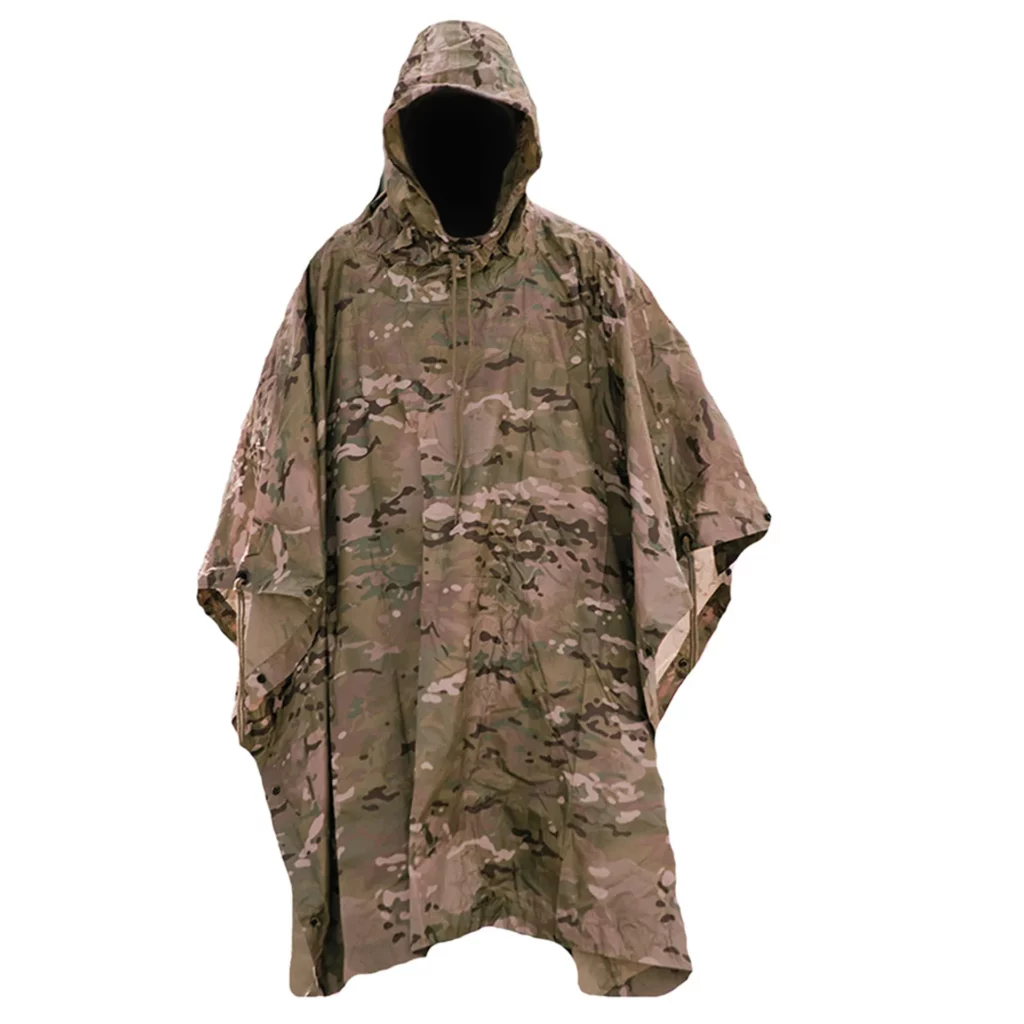
Ripstop nylon is a lightweight, tear-resistant fabric designed to withstand high-wear, tactical, and outdoor scenarios. Its grid-pattern weave prevents small tears from spreading, making it ideal for jackets that need to survive crawling, kneeling, or carrying heavy packs.
Key Benefits:
- Tear- and abrasion-resistant for tactical or rugged use
- Lightweight without sacrificing durability
- Excellent for high-mobility activities where gear takes a beating
Weight: 300-600g | Typical Price Range: £80-£150 | Ideal temps: 8–15°C (Please note it is not insulating, so temps below this require layering.)
Insulating Liners
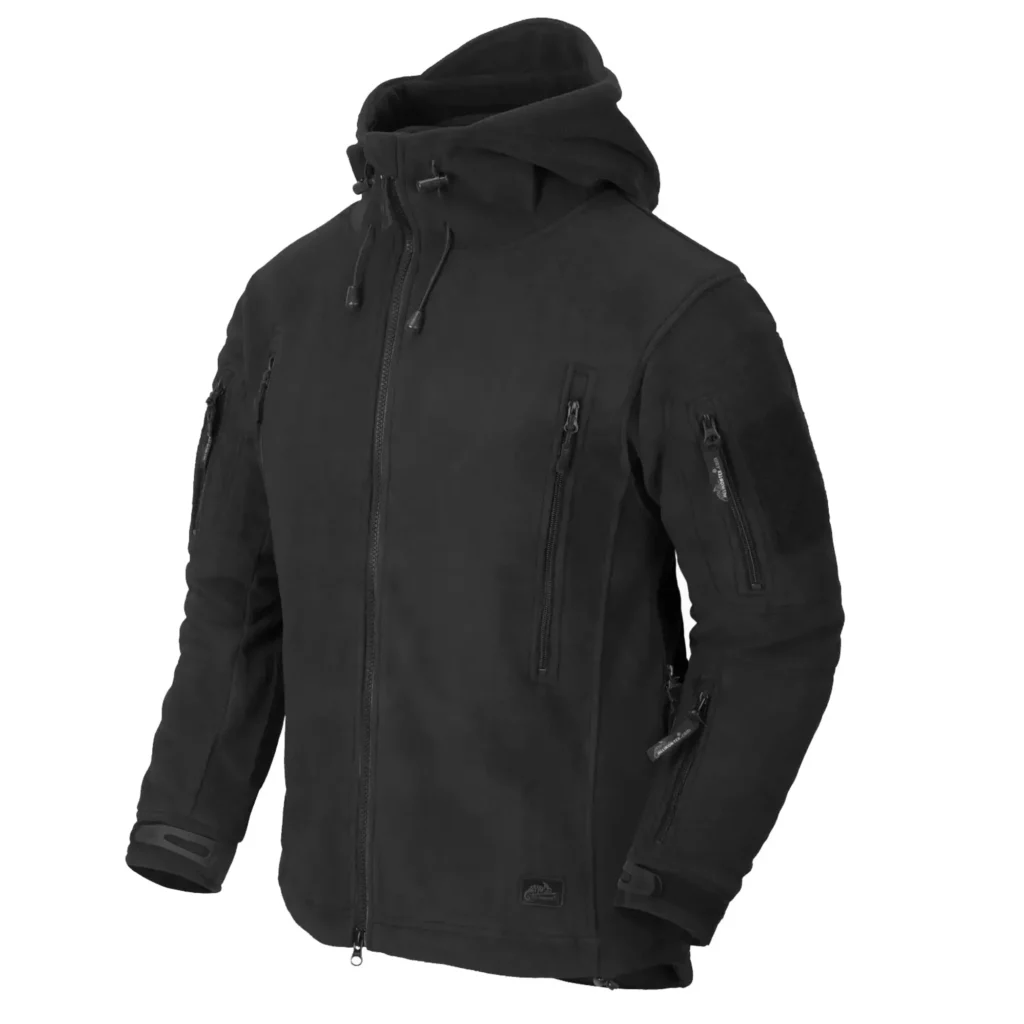
Insulating liners are lightweight layers designed to provide warmth without bulk, making them an essential part of a tactical or outdoor layering system. They work seamlessly with softshell or hardshell jackets to keep you comfortable across a range of temperatures. Liners come in materials like fleece, synthetic fill, or merino blends, each offering different levels of warmth and breathability.
Key Benefits:
- Provides thermal insulation while remaining lightweight
- Breathable and moisture-wicking to prevent clamminess
- Easily layered under softshell or hardshell jackets for versatility
- Some materials (e.g., merino) naturally resist odours for extended use
Weight: 30–100g | Typical Price Range: £30–£100 | Ideal temps: -5–10°C depending on layering
Matching Materials to Your Scenario
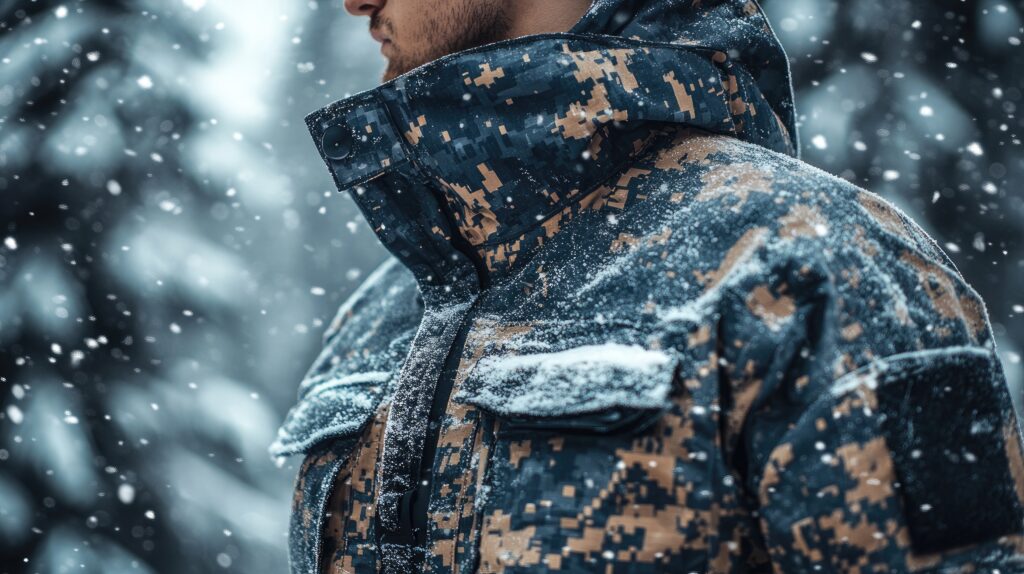
Even the best jacket won’t perform if it isn’t suited to the activity. Whether you’re moving quickly across a training field, standing watch in a drizzle, or hiking in cold weather, your choice of materials and layering matters.
| Scenario | Recommended Setup | Why It Works |
|---|---|---|
| Airsoft (8-12°C, light rain) | Ripstop softshell | Mobile with good weather resistance |
| Patrol (mixed UK weather) | Base + softshell (hardshell ready) | Breathable yet prepared for the worst |
| Static rain duty | Mid-layer + 3-layer hardshell | Total protection when you’re not moving much |
| Cold training | Base + liner + wind shell | Warm without getting clammy |
Picking the right setup ensures that the weather won’t slow you down, and that each layer works together to keep you comfortable and protected.
Optimise Your Jacket Performance
Even the best military or tactical jacket won’t perform at its best if it’s not used and maintained correctly. Small adjustments, smart layering, and proper care can dramatically improve comfort, mobility, and weather protection. Here’s how to get the most out of your jacket in the field or on the trail:
Adjust Fit & Vent for Comfort
- Loosen cuffs and hem cords to release trapped heat
- Open zippers for airflow during activity
- Adjust hood tension for both protection and comfort
Manage Moisture During Activity
- Swap or vent layers during transitions to stay dry
- Understand how softshell and hardshell layers interact
- Keep moving to maintain core temperature
Care & Maintain Your Jacket
- Reproof DWR coatings regularly to preserve water resistance
- Avoid tight folds or compression for PU layers
- Wash according to the manufacturer’s instructions to keep fabrics breathable
5 Jacket Material Mistakes That Kill Performance
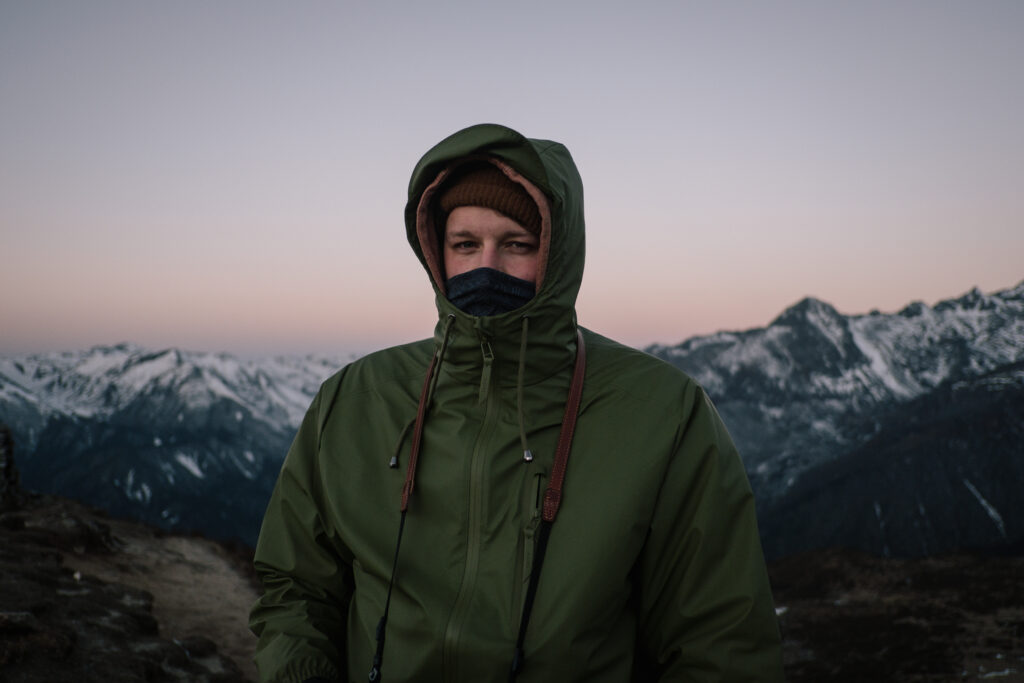
Even experienced users can undermine their jacket’s performance by making simple material and layering mistakes. Avoid these common issues to stay dry, warm, and comfortable in real-world conditions:
1. Using Civilian Jackets for Tactical Activities
Civilian jackets aren’t designed to withstand abrasion from gear, crawling, kneeling, or repeated use. Tactical and military jackets use tougher fabrics like ripstop nylon and reinforced panels to withstand harsher environments.
2. Wearing Cotton in Cold or Wet Conditions
Cotton absorbs and holds moisture, which rapidly draws heat away from the body. In cold or wet weather, this can lead to discomfort and increased risk of exposure. Always choose synthetic or merino base layers that manage moisture effectively.
3. Relying on Waterproof Ratings Alone
Lab waterproof ratings show fabric resistance in tests, but real-world performance depends on seams, zips, fit, and layering. Even high ratings can underperform in UK wind-driven rain or heavy use, as explained by Snow+Rock. Which is why it’s important to look beyond the numbers and consider construction, design, and how the jacket will be used in the field.
Neglecting DWR and Jacket Maintenance
DWR coatings wear off over time. If water no longer beads on the surface, breathability drops and the jacket can feel clammy. Regular reproofing, correct washing, and proper storage are essential to maintain performance.
5. Choosing the Wrong Jacket for the Activity
A fully waterproof hardshell isn’t always the best option. Overusing heavy shells during high activity can cause overheating, while relying on lightweight softshells in sustained rain can leave you soaked. Match your materials and layers to the conditions and intensity.
How DropZone Selects Jacket Materials
DropZone doesn’t manufacture or test materials themselves, but their 25+ years of experience helps professionals and enthusiasts select the right gear. Jackets and layering systems are chosen based on:
- Durability: Can it withstand UK weather and tactical use?
- Functionality: Does it meet the needs of airsoft, patrol, or outdoor training?
- Layering compatibility: Works well with base layers and insulating liners.
By curating the best products from trusted brands like Helikon, Keela and Snugpak, DropZone ensures customers get tactical gear that performs in real-world conditions.
Choosing a Jacket That Matches Your Needs
Choosing the right military or tactical jacket isn’t just about looks, it’s about performance, protection, and comfort in real-world conditions. Understanding softshell, hardshell, and ripstop fabrics, along with waterproofing (DWR vs PU) and layering systems, ensures you stay dry, warm, and mobile whether on patrol, in airsoft, or outdoors.
Combine the right base layer, insulated liner, and shell with proper venting, moisture management, and material care, and your jacket becomes a reliable tool, not a hindrance.