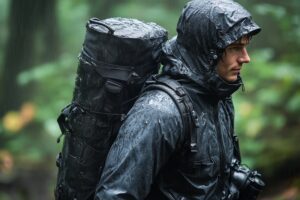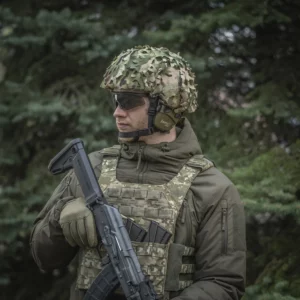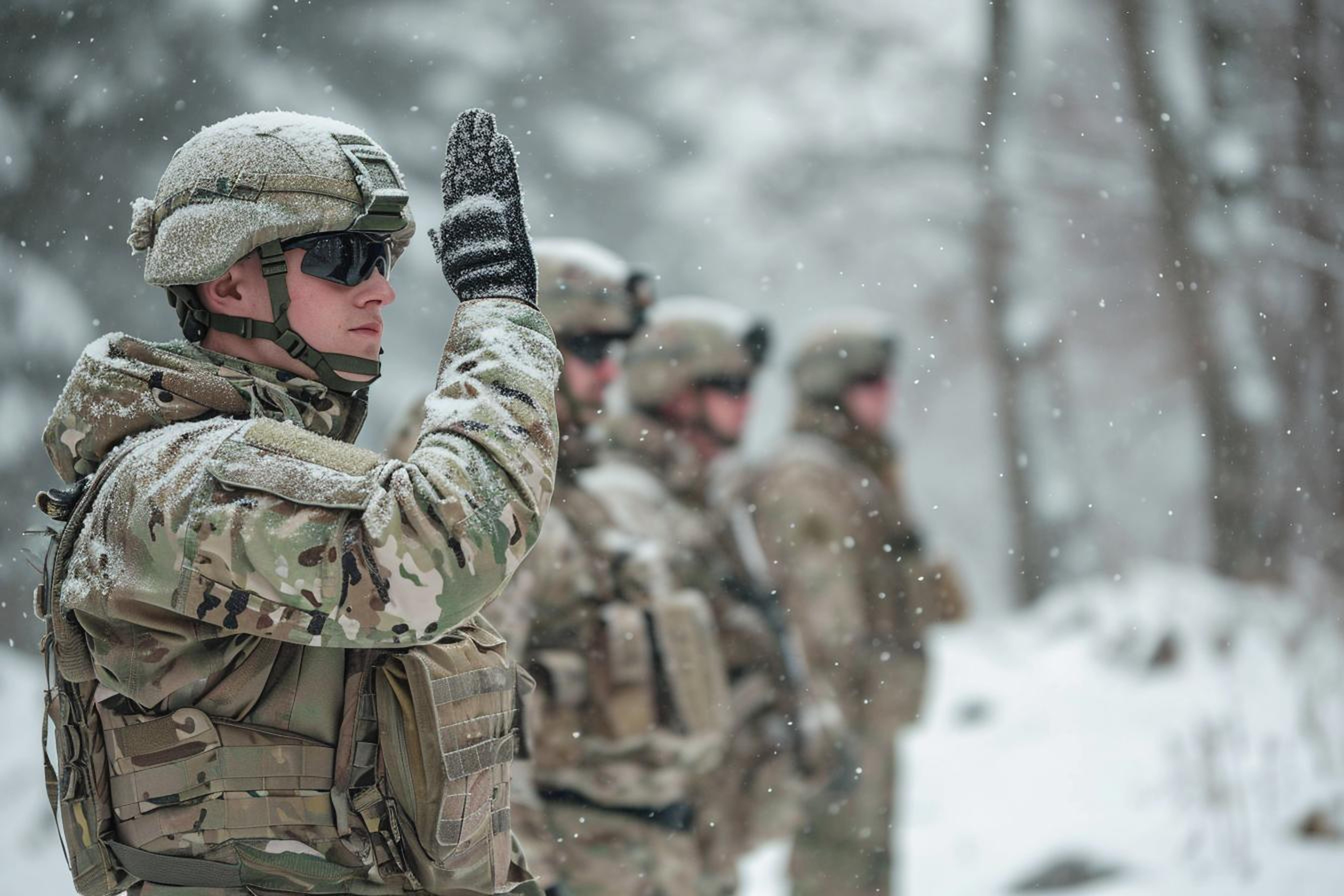
If you fail to layer correctly in cold, wet, and windy conditions, be prepared to lose heat, focus, and dexterity fast. A simple three-layer system, base to wick sweat, mid to hold warmth, outer to block wind and rain, keeps you working, training, or on task safely in harsh and treacherous weather.
This guide shows you how to build a practical cold-weather layering system using military-grade jackets, insulated liners, and weatherproof shells available from Drop Zone Supplies. Whether you’re on patrol, playing airsoft, or tackling outdoor adventures, these tips will help you stay mission-ready and flexible, even in the harshest conditions.
What Is the Three-Layer System?
The three‑layer system is at the core of cold‑weather clothing used across UK forces through the Personal Clothing System (PCS). It is mirrored by allied systems such as the US Extended Cold Weather Clothing System (ECWCS), where each layer has a clear role: maintain body temperature, manage moisture, and protect against wind, rain, and snow. Similar to the Protective Combat Uniform (PCU) used by special forces, where each level has specific performance roles.
- Base layer – wicks sweat away from the skin
- Mid layer – traps warm air to insulate your core
- Outer layer – blocks wind and precipitation while allowing moisture to escape
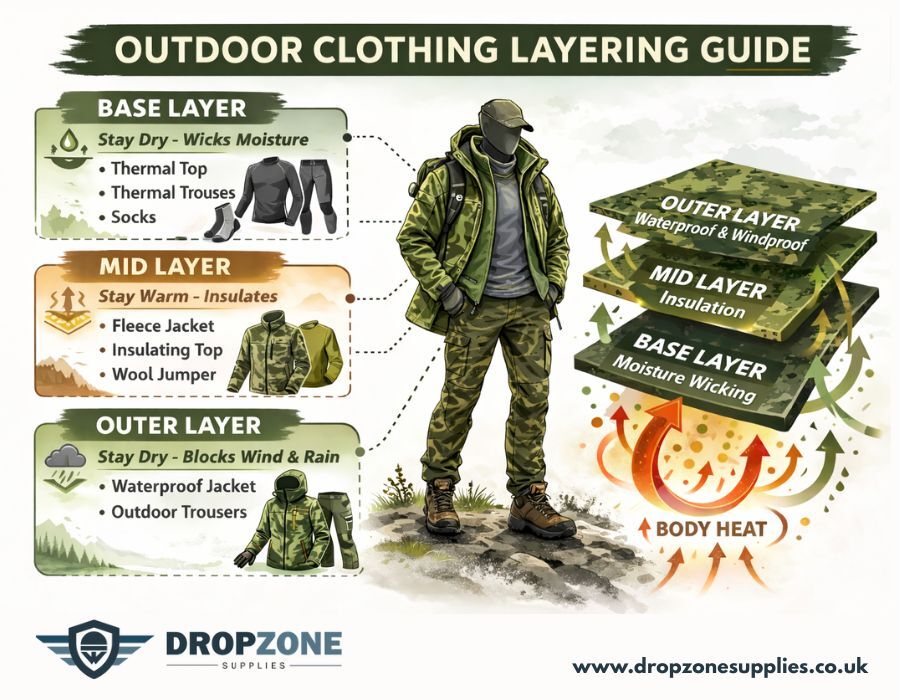
Modern outer layers often use a Durable Water Repellent (DWR) coating to help rain bead off instead of soaking in, which maintains both comfort and breathability. Keeping that coating topped up with the right cleaners and re‑proofing sprays stops the fabric “wetting out” and helps the whole layering system continue working in prolonged wet weather. At the base layer, choosing lightweight, midweight, or heavyweight fabrics lets you match insulation to activity, lighter for high-output patrols, heavier for static duty in sub-zero conditions.
This modular approach gives flexibility in the field. Add insulation when you are stationary and the cold starts to bite, and strip back when hard work generates heat, adjusting as conditions and activity levels change.
Tip: Start slightly cool, not warm – especially dangerous in the -10°C to +10°C “critical zone” where most cold injuries occur.
Used correctly, the three‑layer system works across UK winters and arctic deployments alike, keeping you mission‑ready whether you are patrolling, on watch, or in extended operations.
Base Layer: Your First Line of Defence
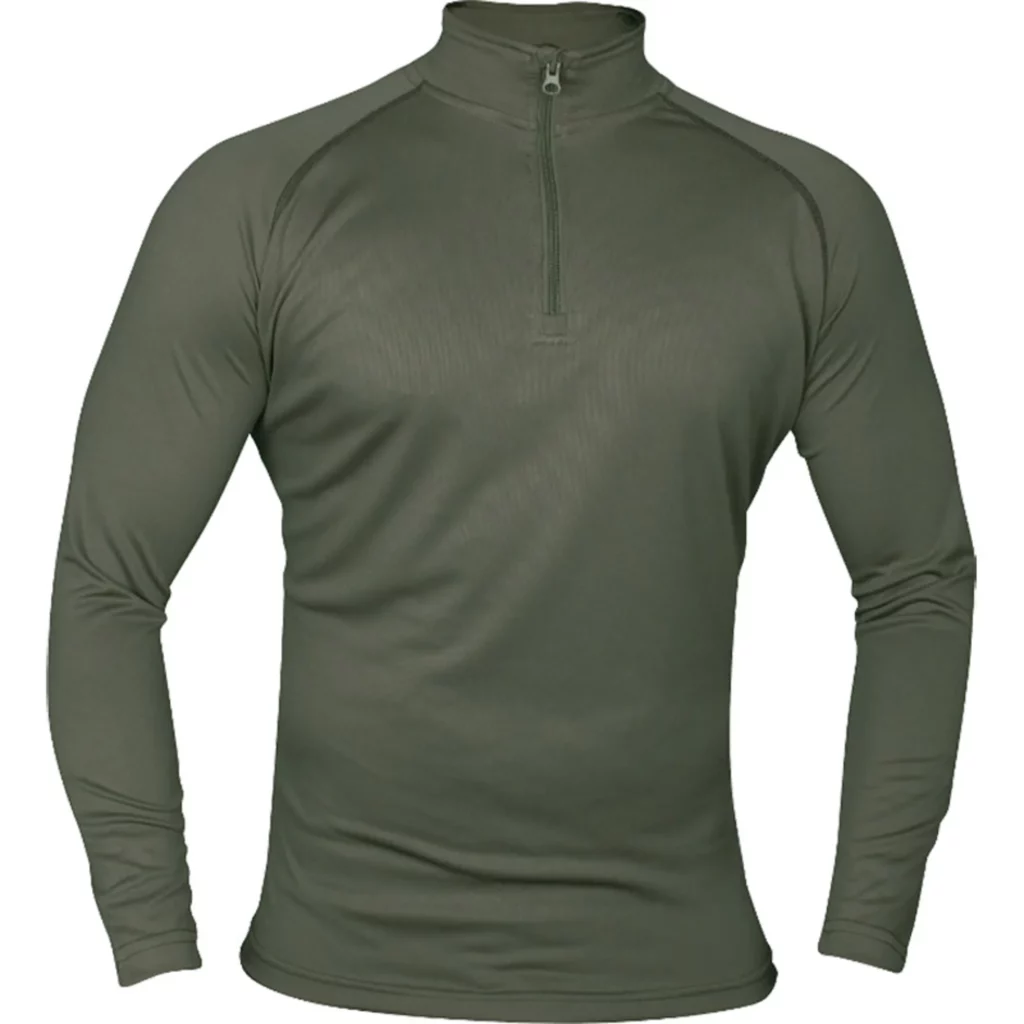
The base layer does the quiet, most critical, and often unseen role. Its job is to move sweat away from your skin so moisture does not sit, chill your core, and sap performance in freezing, damp conditions.
For most users, the best options are:
- Merino wool – warm, breathable, naturally odour-resistant
- Technical synthetics – light, durable, fast-drying
Avoid cotton at this stage. It holds onto moisture and pulls heat away from the body, exactly what you do not want in the cold. A snug fit ensures maximum wicking and prepares the system for the mid and outer layers.
Merino wool manages moisture by absorbing vapour and releasing a small amount of heat as it dries, which helps smooth out temperature swings during stop‑start activity.
Technical synthetics push liquid sweat away from the skin and dry fast, making them excellent for high-output airsoft, tactical training, and rapid movement in cold, damp conditions.
Tip: Lightweight (150gsm) for running/patrolling, midweight (200gsm) for mixed work, heavyweight (250gsm+) for static cold.
Mid Layer: Lock In the Heat, Not the Weight
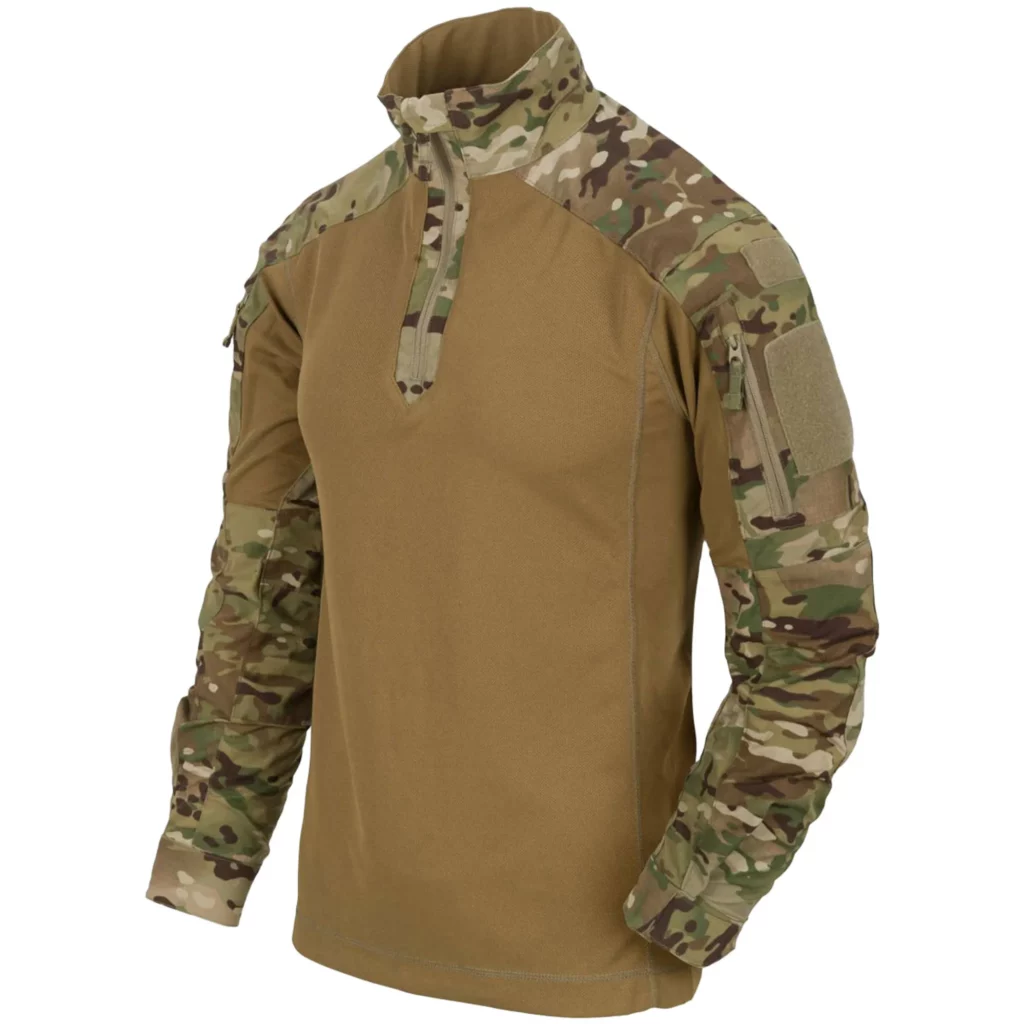
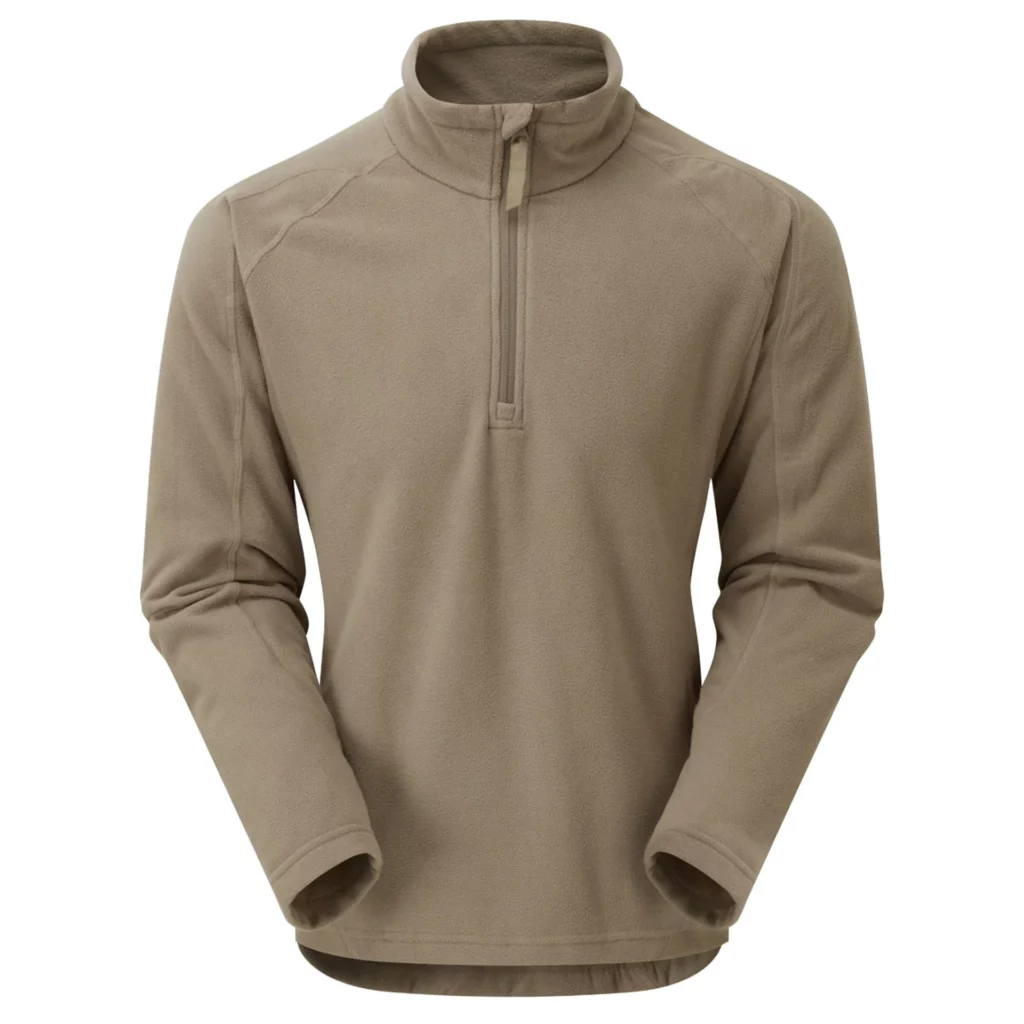
The mid layer traps warm air around your core without weighing you down. Choose your mid layer based on activity: high-output work like patrols or airsoft benefits from a lightweight fleece or synthetic jacket, while static periods call for a thicker fleece, synthetic loft, or button-in insulated liner.
Synthetic mid layers (similar to PrimaLoft or Thinsulate) perform well even when damp, while down excels in dry conditions but loses insulation if wet. For temperatures around +5°C to -5°C, a midweight base layer plus a lightweight or medium synthetic mid layer offers warmth without overheating, letting you adjust insulation as activity or conditions change.
Drop Zone Supplies stocks nylon liners and military-compatible jackets designed for flexibility, so you can adapt layers quickly when the weather or workload shifts.
Layering By Activity Guide
| Activity | Temp Range | Base Layer | Mid Layer | Outer Layer | DropZone Products |
| Airsoft/High Activity | +5°C to 0°C | Lightweight synthetic | 100-200wt fleece | Softshell | UA Fleece |
| Patrol/Mixed | 0°C to -5°C | Midweight merino | Synthetic liner | Hardshell | Keela Fleece |
| Static/Deep Cold | -5°C to -15°C | Heavyweight | 300wt + nylon liner | Hardshell | Military Jackets |
Outer Layer: Shield Yourself From the Elements
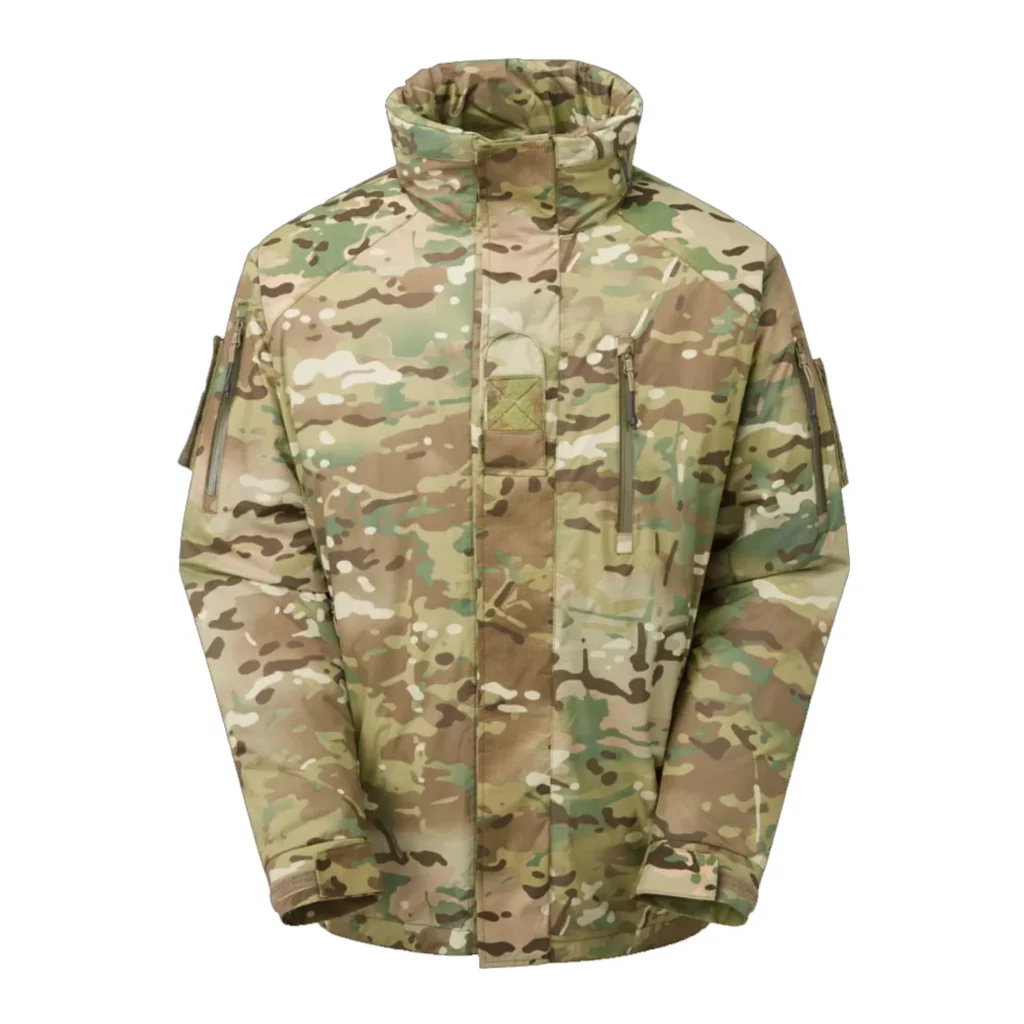
The outer layer is your weather shell, shielding you from wind, sleet, rain, and snow while letting heat and moisture escape. It needs to stay functional over kit and work cleanly with body armour or load-bearing equipment.
- Softshell jackets: offer breathability, stretch and wind-resistance, making them ideal for when you are on the move and generating heat.
- Hardshell jackets: step in when the weather turns wet, providing waterproof, hard-wearing protection for prolonged exposure.
Tip: Most technical shells use a DWR coating to shed water and stay breathable, but dirt and wear break it down over time. Rewash with suitable cleaners and re‑proof when water stops beading, so your jacket keeps shedding rain and snow.
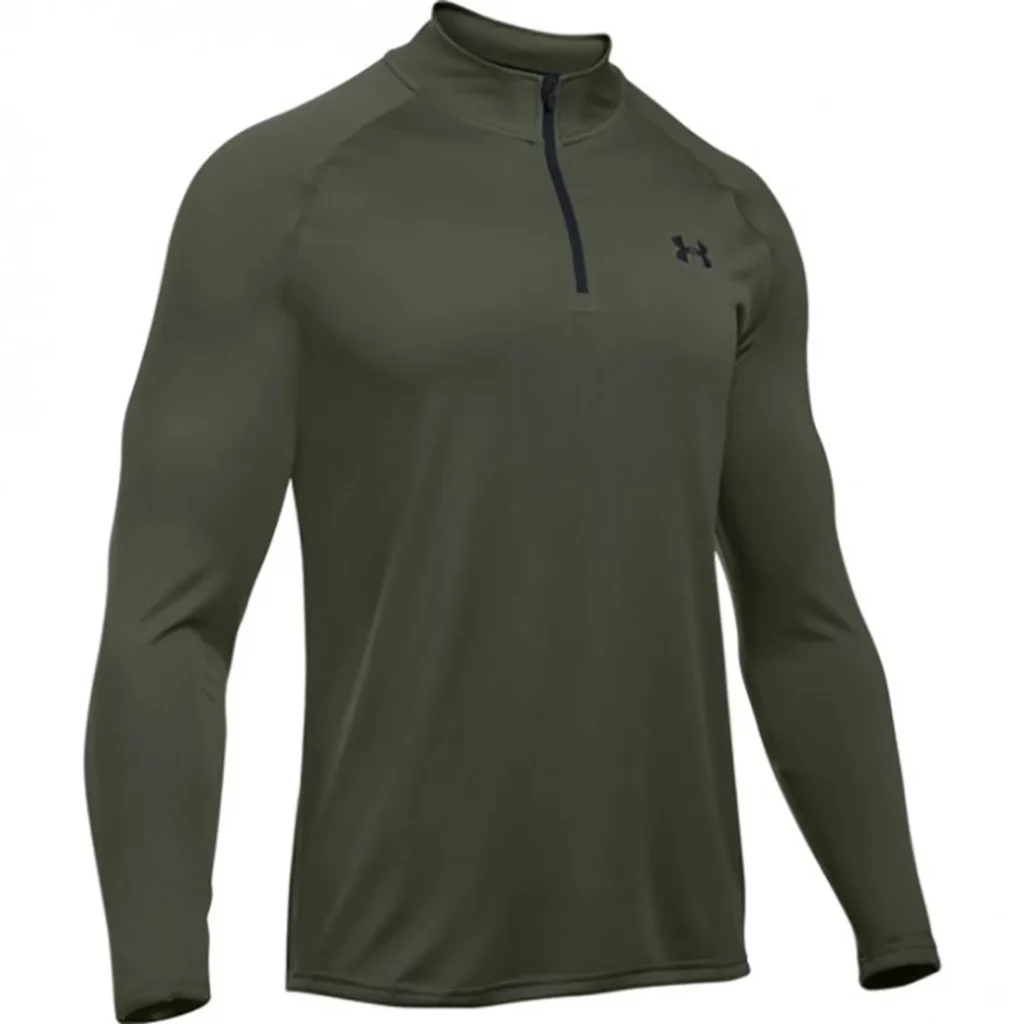
Practical Extras for Added Comfort
Cold weather punishes the hands, feet, and head first, and this is where many otherwise solid layering systems fall down. These areas are at higher risk of frostbite, rapid heat loss, and clumsy, reduced dexterity, especially during long periods outside. Treat gloves, socks, and headwear as part of the system, not afterthoughts.
Key items to include:
- Gloves: Mechanix or insulated tactical gloves protect hands without sacrificing dexterity. Carry spares for extended operations.
- Socks: Moisture-wicking, thermal socks prevent heat loss and blisters. Layer if necessary.
- Headwear: Hats, balaclavas, and neck gaiters shield against frost-laden winds and help retain core heat.
- Footwear: Waterproof, insulated boots provide grip, warmth, and protection from saturated terrain.
- Accessories: Thermal liners, gaiters, and face protection complete the kit for extreme conditions.
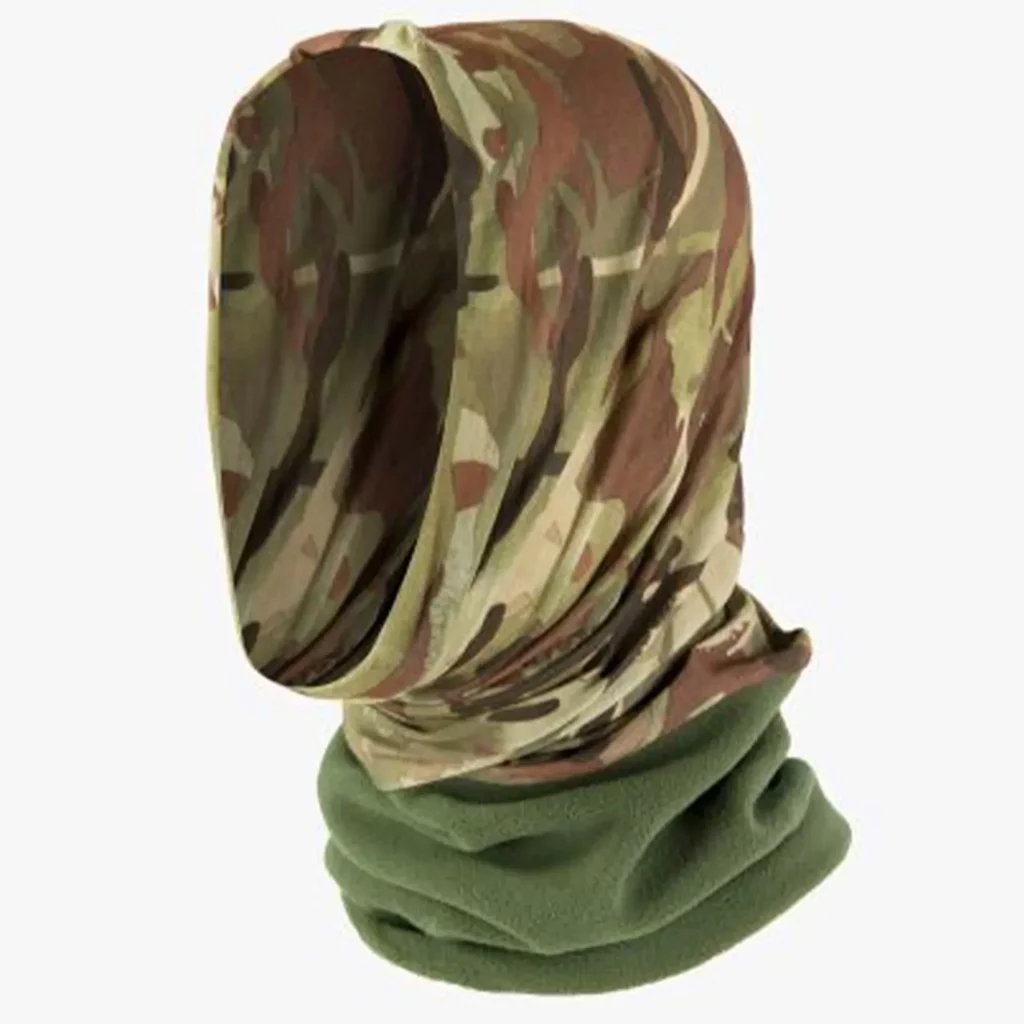
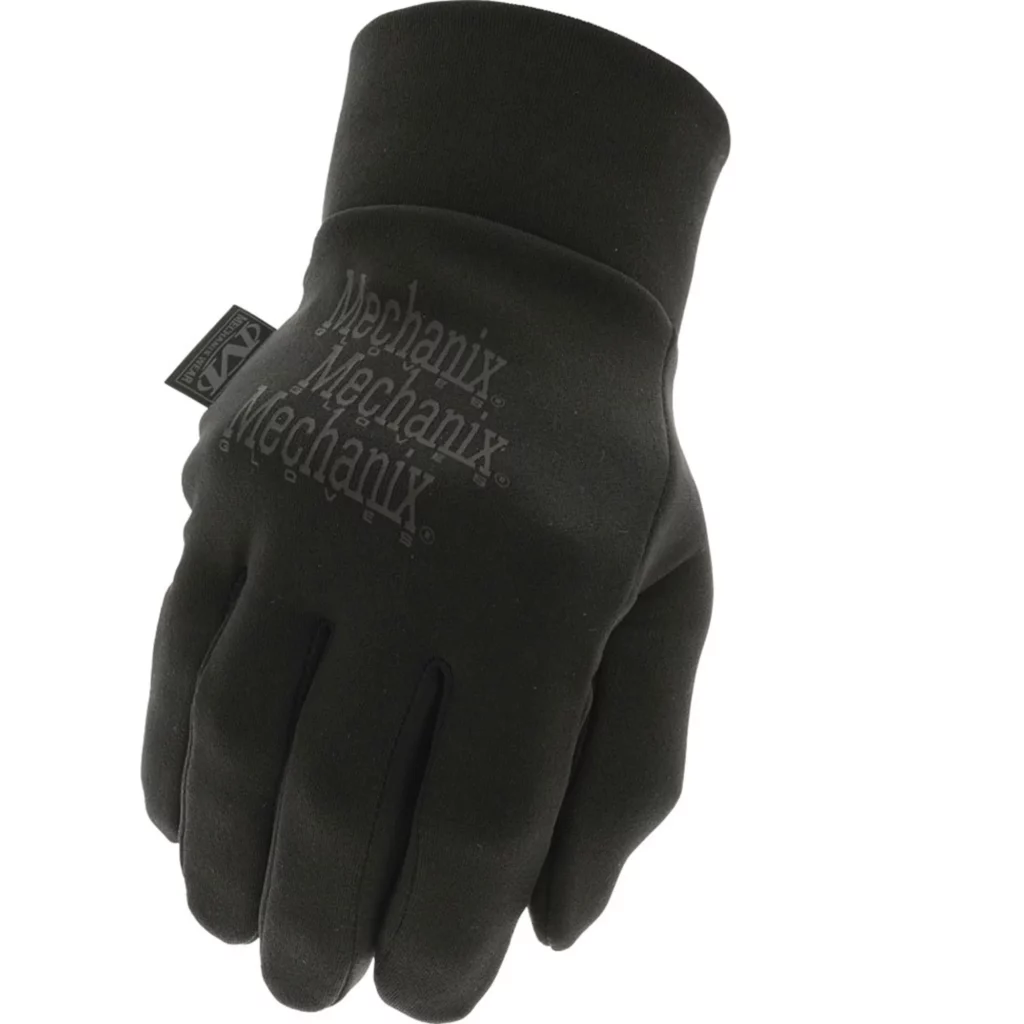
Drop Zone Supplies stocks a full range of operationally tested items, ensuring hands, feet, and head stay protected even in prolonged exposure to wet, windy, and freezing conditions.
Tip: Fuel and hydrate more in the cold. You dehydrate faster than you think, and under-eating cuts your body’s heat production. Avoid alcohol; it feels warm but speeds heat loss and hides hypothermia signs.
8 Top Tips to Maximise Outdoor Performance
- Dress for the activity, not just the temperature – High exertion builds heat fast, static periods demand extra insulation.
- Layer strategically – Combine base, mid, and outer layers to match the weather, terrain and how hard you’ll be working.
- Fit is critical – Each layer should move with you, avoiding bulk while still allowing air to circulate and do the insulating work.
- Vent before you overheat – Open zips, pit vents, and cuffs as soon as you feel warm, not once you are already sweating. Use micro-adjustments first (unzipping, taking off your hat or gloves) before stripping entire layers.
- Protect extremities – Hands, feet, and head lose heat quickest and control fine motor skills, invest in proper gloves, socks, and headwear.
- Use modular systems – Military jackets with removable liners and compatible shells let you adapt quickly as conditions shift through the day.
- Choose packable insulation – Compressible mid and outer layers save space in your pack and make it easier to swap layers on the move.
Tip: Dry clothing overnight, clear mud and grit, and check for damage so your system performs the same on day ten as it did on day one.
These principles mirror established military cold-weather practice and hard-earned field experience, giving tactical teams, airsoft players, and outdoor professionals a simple framework for staying effective in cold, wet conditions.
Shop at Drop Zone Supplies for Reliable All-Weather Layering
The right clothing is often the difference between staying mission-ready and getting dragged down by the weather. To build a reliable version of the layering system, Drop Zone Supplies offers full base, mid, and outer layers built to demanding specifications, including modular jackets, insulated liners, and hardshell outerwear.
You will also find gloves, socks, hats, and other accessories to protect extremities, with gear selected and tested for real-world use in UK and international conditions.
FAQs
What if I’m already sweating?
Do not ignore it. Open vents, remove your hat or gloves, and, if safe, drop your mid layer while you are still moving so the moisture can clear. Standing still in soaked layers is one of the fastest ways to become dangerously cold.
How do I know if I’m overdressed before starting?
After kitting up but before moving, you should feel slightly chilly when standing still. If you feel comfortably warm, you are probably overdressed for the first 10–15 minutes of work – remove one layer and reassess.
Can I salvage a damp base layer in the field?
If you cannot fully change, wring out excess moisture, put on a dry mid layer, and use your shell to block wind while you continue moving gently. Aim to swap to a dry base at the next safe halt or shelter point.
What are the early warning signs of hypothermia and frostbite?
Watch for uncontrollable shivering, slurred speech, confusion, or clumsiness, and for pale, numb fingers, toes, ears, and nose that do not re‑warm quickly. Anyone showing these signs needs to get dry, sheltered, and refuelled fast.